
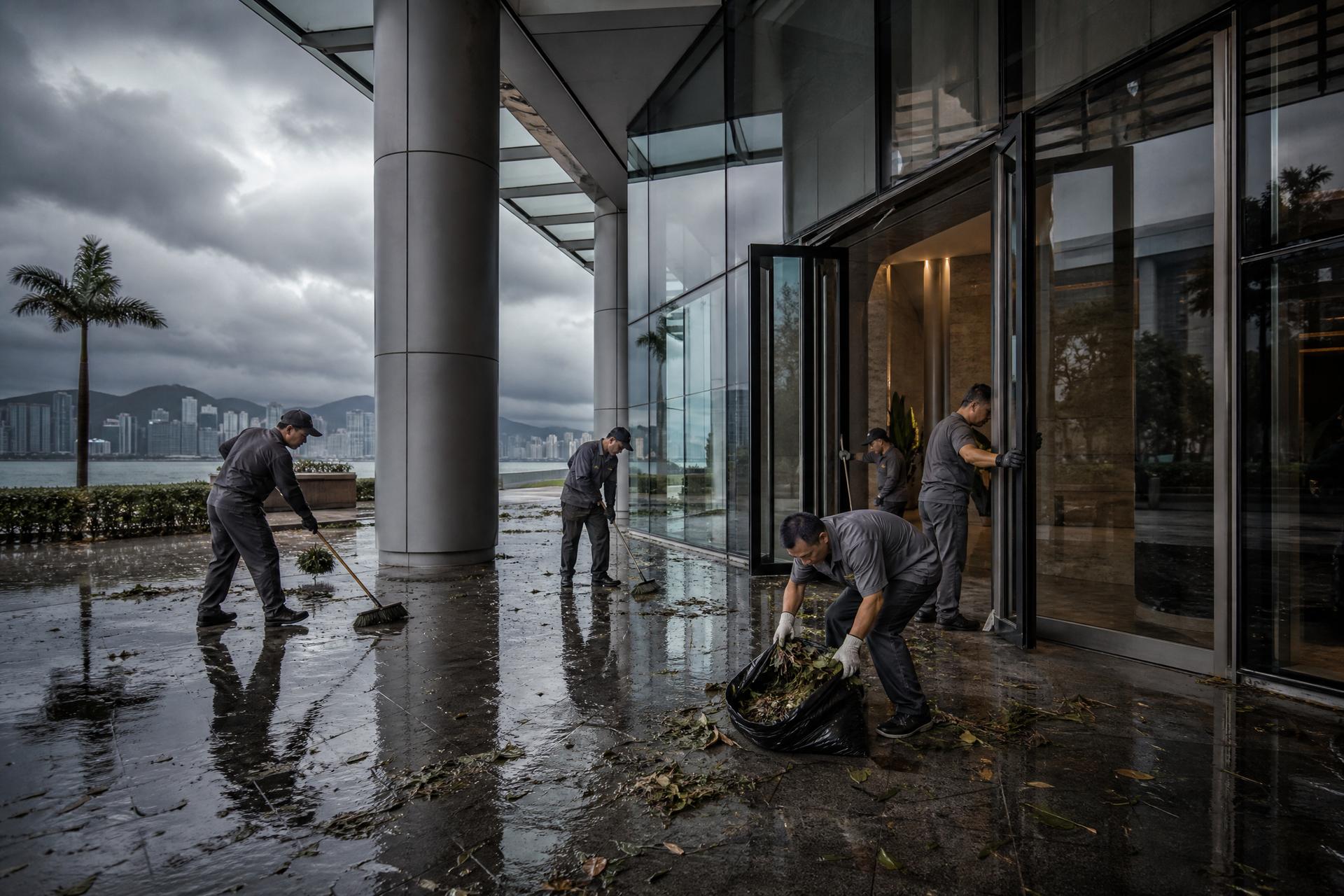
Hong Kong's typhoon season — running from May to November — presents a recurring operational challenge for facility managers across the commercial, hospitality, and residential sectors. When the Hong Kong Observatory lowers a Typhoon Signal No. 8 or No. 10, the immediate priority for building operators is a systematic assessment and remediation of storm damage, water ingress, and debris accumulation before tenants and guests return to the premises.
The Post-Typhoon Window
The period between signal lowering and the resumption of normal operations is typically two to four hours for Signal No. 8 and four to eight hours for Signal No. 10. Within this window, facility managers must assess the extent of damage, mobilise cleaning and maintenance teams, and prioritise remediation tasks to enable safe re-entry. For hospitality properties, the pressure is particularly acute — guest-facing areas must be restored to presentation standard before check-in resumes.
Structural Assessment and Safety
Before any cleaning activity commences, a structural safety assessment of external areas — including car parks, podium levels, and roof terraces — is required to identify hazards such as fallen debris, damaged glazing, and compromised drainage. The Buildings Department's emergency response guidelines recommend that building managers engage a registered structural engineer for any assessment involving potential structural damage.
Water Ingress and Mould Prevention
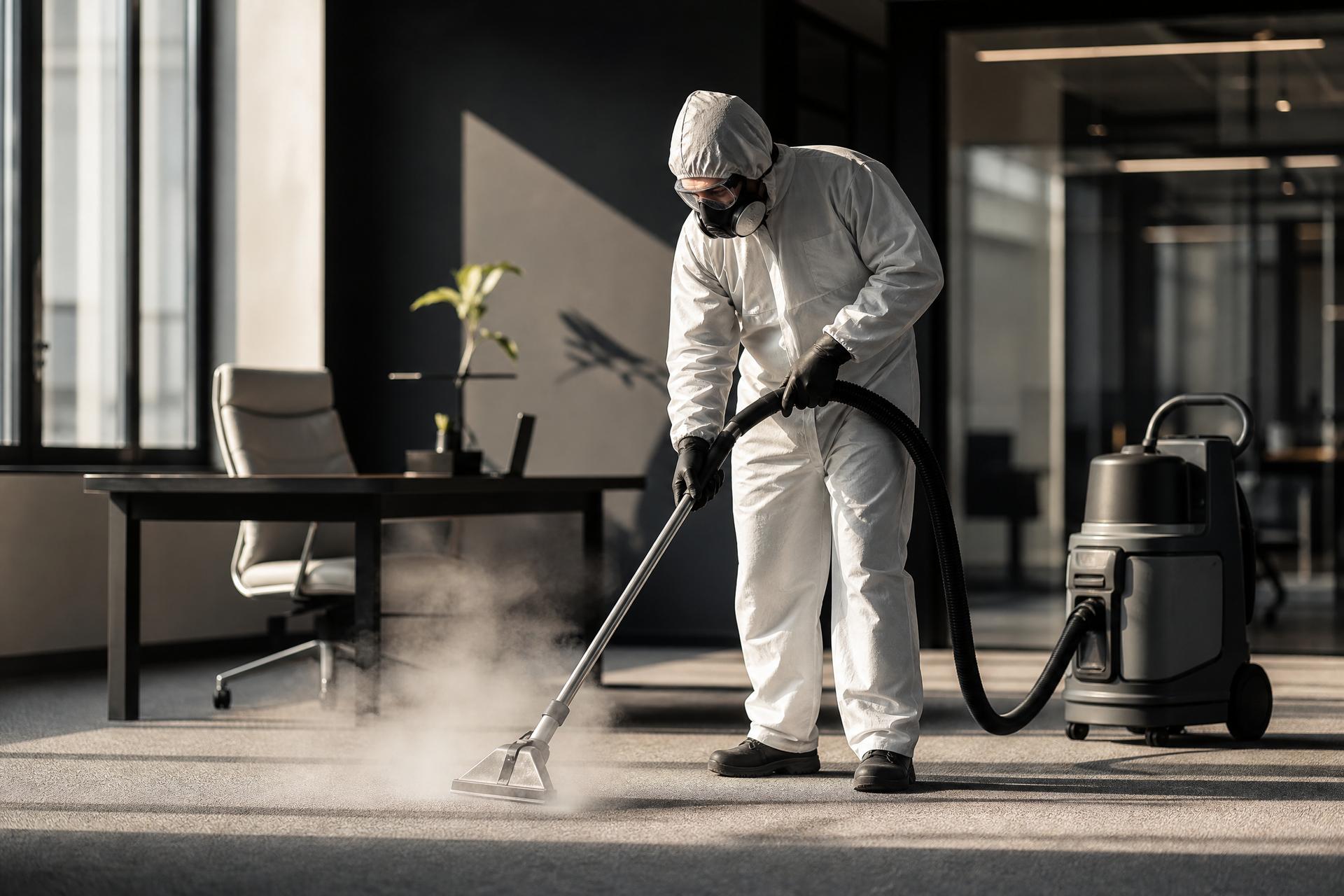
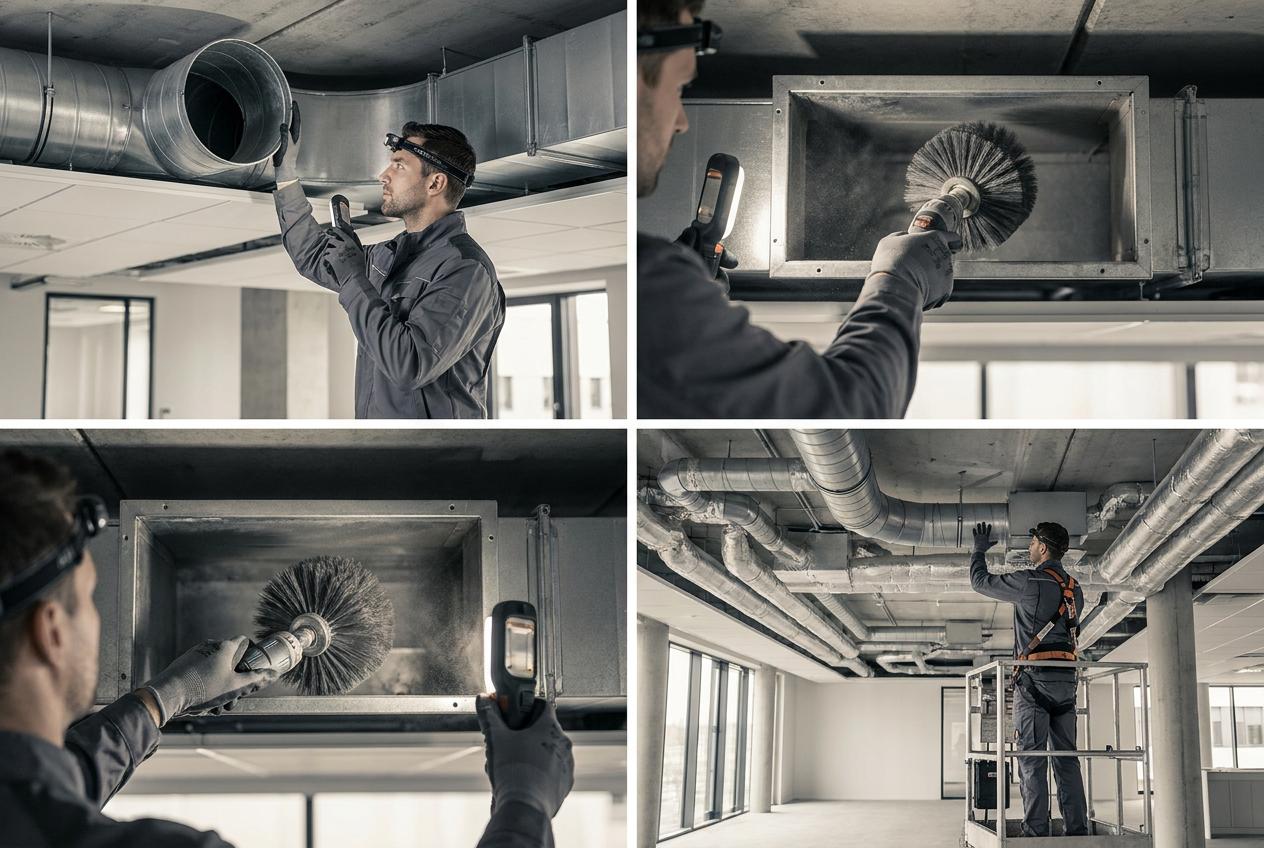
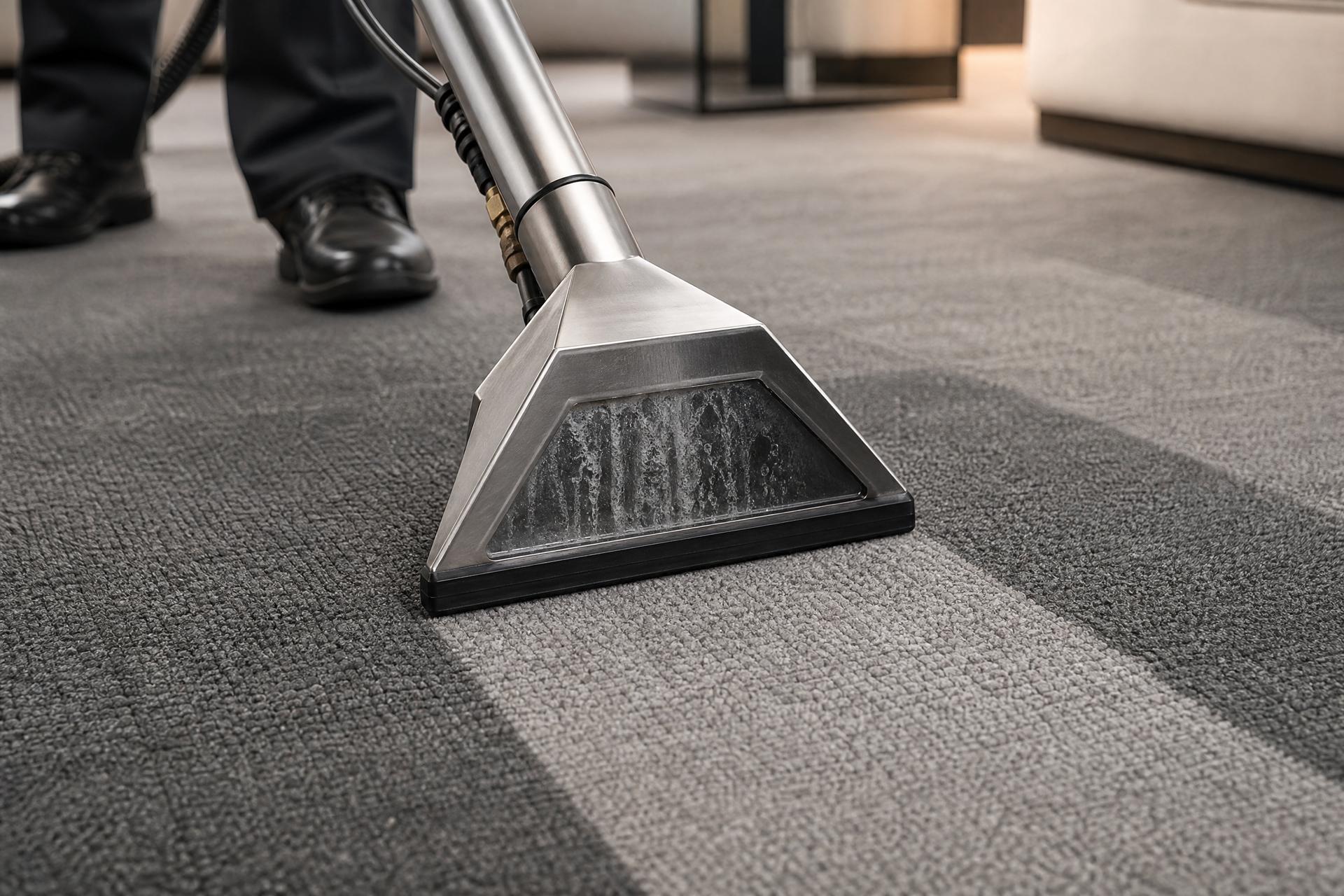
Water ingress through windows, curtain walls and drainage systems can affect commercial buildings after severe weather. Building teams should assess site conditions, access requirements and any specialist drying or remediation needs with an appropriately qualified provider.
Documentation for Insurance Claims
Property teams may wish to maintain clear records of affected areas, access restrictions and any work arranged after severe weather. Insurance and structural matters should be discussed with the relevant qualified parties.