Skip to content
CLNOFFICE
Capabilities
All Capabilities →
Sectors
All Sectors →
Programme Builder
Specialty Services
Track Record
Insights
About CLN
Build Protocol →
Workplace manager discussing an office cleaning brief

Hong Kong office cleaning

Institutional & Corporate Office Cleaning Specialists

For workplaces where service details matter: a considered office-cleaning brief for Hong Kong corporate, institutional and client-facing environments.

Office-focused scope planning · corporate workplace context · clear proposal discussions

A useful definition of ‘best’

The best office cleaner is the one that understands the brief.

People searching for the best office cleaner in Hong Kong are usually not looking for a slogan. They are looking for confidence that a supplier can understand an occupied workplace, discuss the relevant operating constraints and prepare a scope that can be evaluated properly.

That is why CLN Office begins with the workplace context. A practical cleaning discussion can consider the office areas, access arrangements, service timing, surfaces, shared amenities, visitor-facing spaces and the details that matter to the team using the site every day.

Selection guide

Four things to assess before appointing an office cleaner.

Use these questions to structure an internal discussion, a supplier briefing or a proposal comparison.

01

A scope that reflects the working day

A useful office-cleaning proposal starts with the workplace as it is actually used: arrival patterns, meeting-room turnover, pantry activity, washroom traffic, visitor routes, access windows and the spaces that must remain available. A generic checklist can be a starting point, but it should not be the whole brief.

02

Clear ownership and practical communication

Corporate and institutional workplaces benefit from knowing who can receive a brief, confirm a proposed scope and discuss changes as office needs develop. Establish the client’s points of contact, the site’s access arrangements and how scope questions will be handled before service begins.

03

Appropriate people, methods and materials

The cleaning approach should be proportionate to the office environment and its surfaces. Shared amenities, internal glazing, hard floors, carpets, sensitive equipment areas and formal meeting rooms can all require different instructions. Ask how the relevant areas will be assessed before the scope is agreed.

04

A proposal that can be evaluated

A well-prepared proposal makes comparison easier. It separates the agreed routine from periodic or one-off work, identifies assumptions, records the site information used to prepare the scope and makes clear where further information is needed. This gives workplace and procurement teams a more reliable basis for review.

Workplace context

Different office environments create different cleaning conversations.

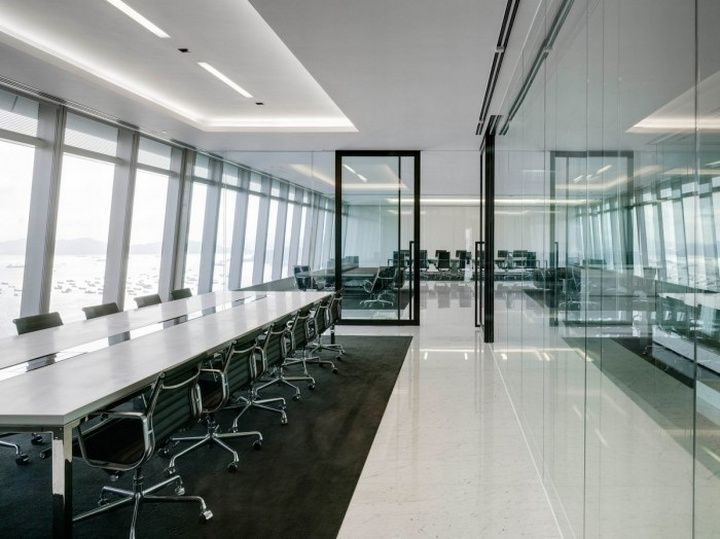
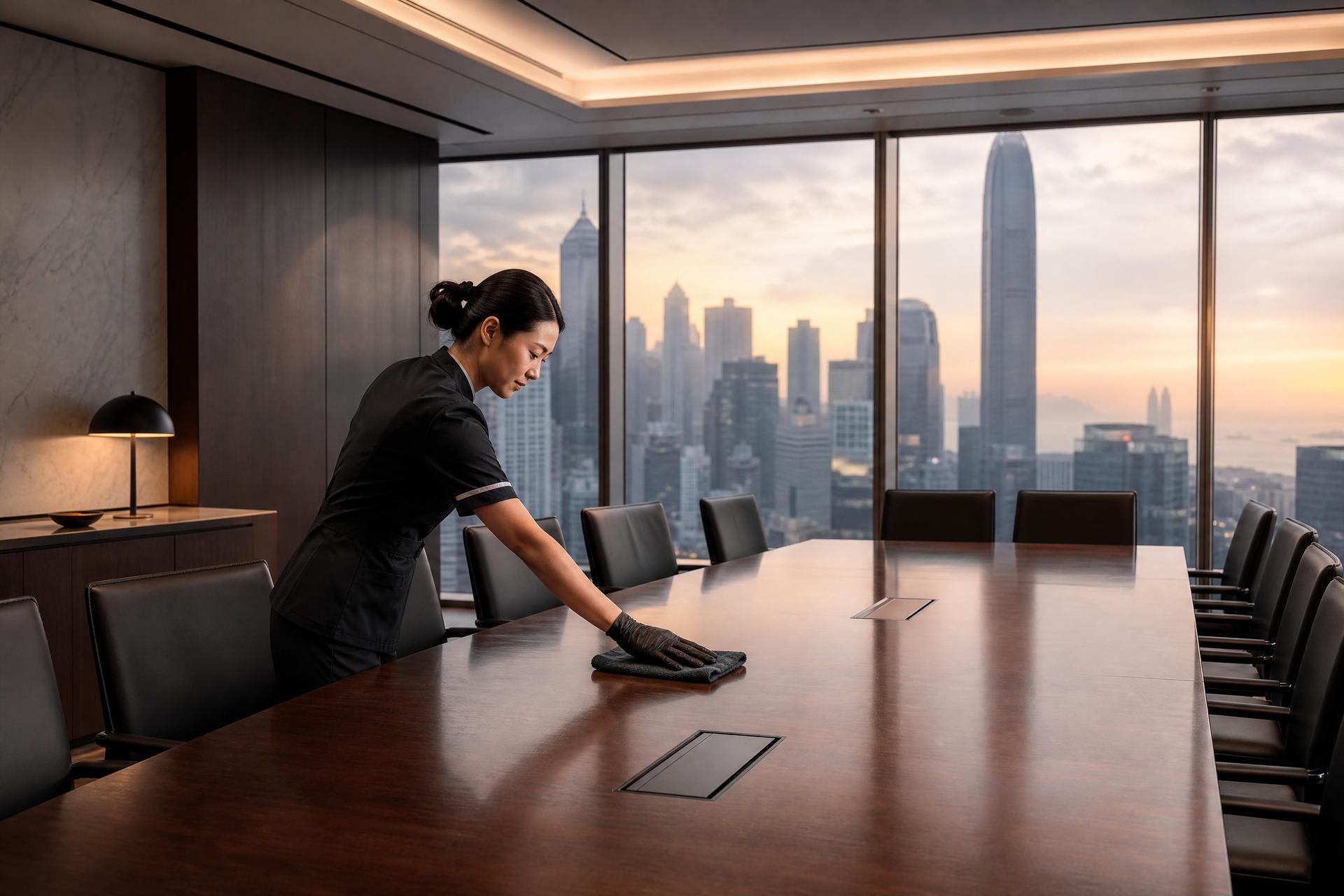
Meeting room in a Hong Kong corporate office

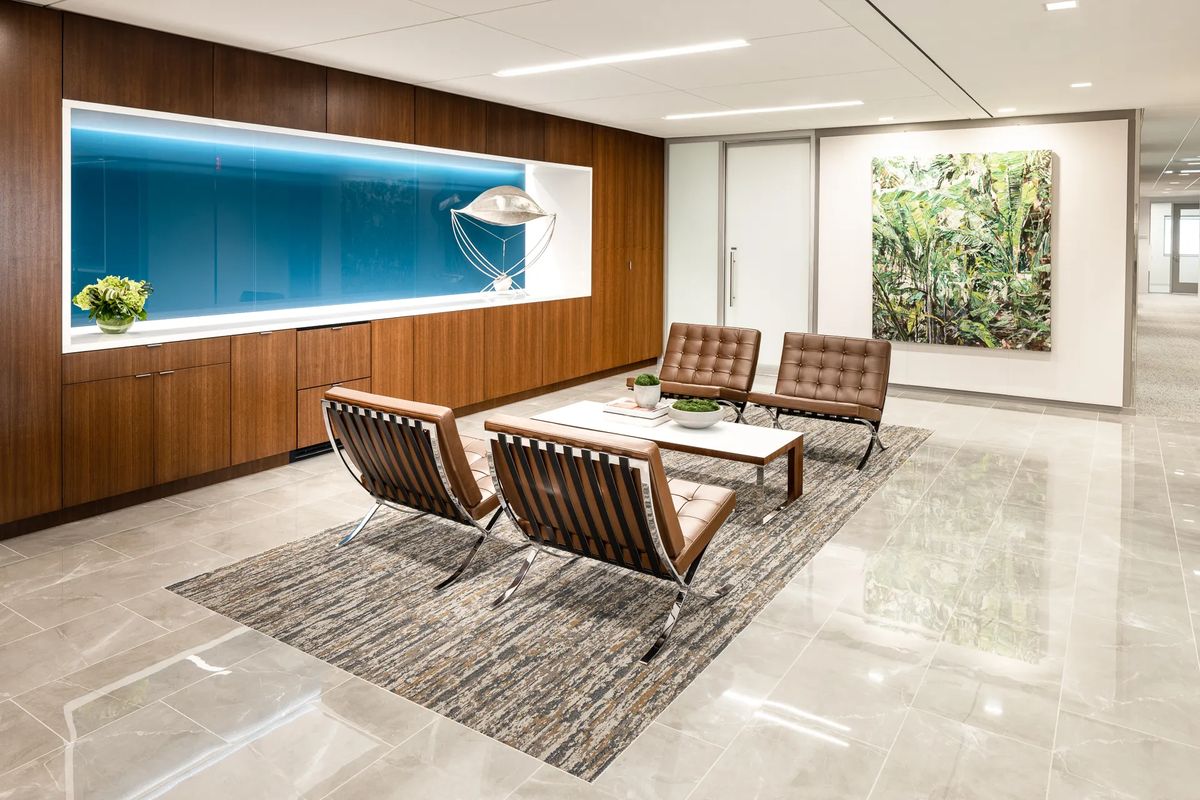
Corporate headquarters & Grade A offices

For offices where front-of-house presentation, meeting rooms, executive areas and shared amenities are part of the day-to-day environment.

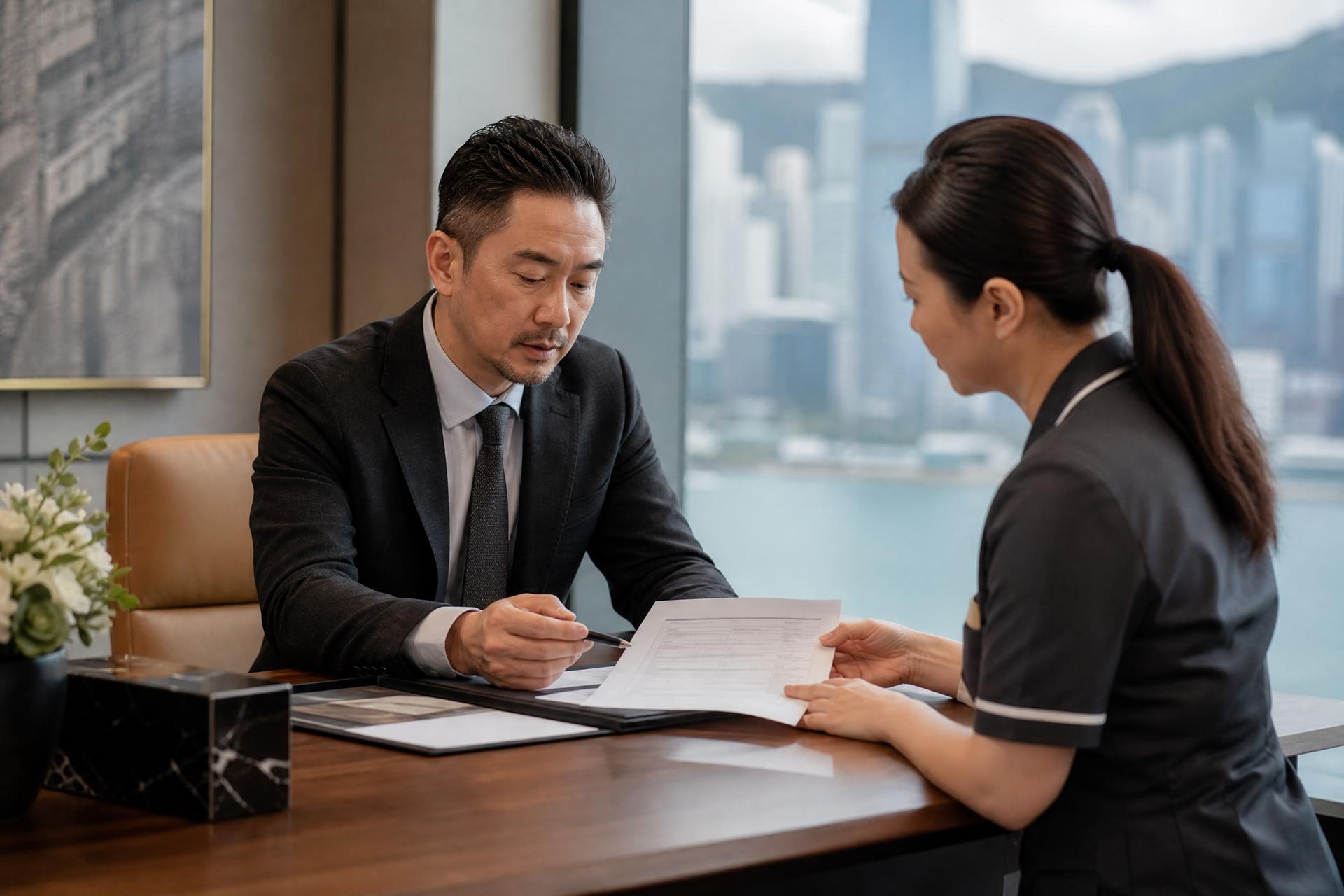
Workplace manager discussing an office cleaning brief

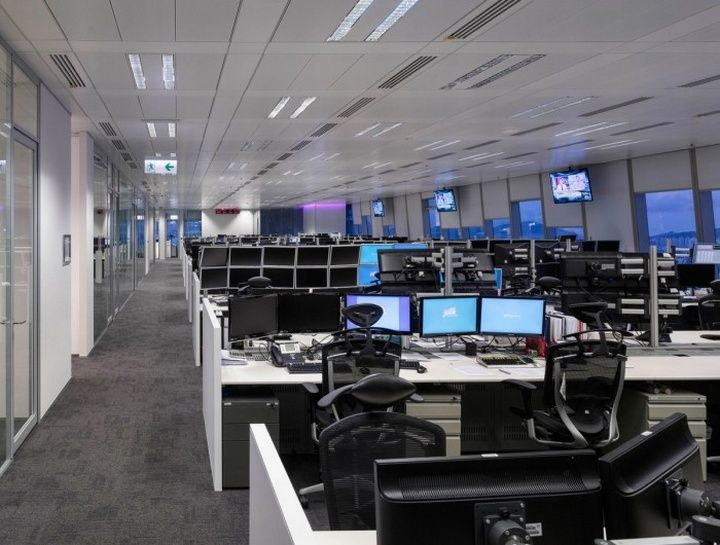
Financial, legal & professional workplaces

For workplaces that may have controlled access, client-facing spaces, focused work areas and defined boundaries around documents, equipment and meeting rooms.

Government office workplace in Hong Kong

Government & institutional offices

For office environments with formal brief requirements, site protocols, defined scope documentation and a need to compare proposals on a clear, functional basis.

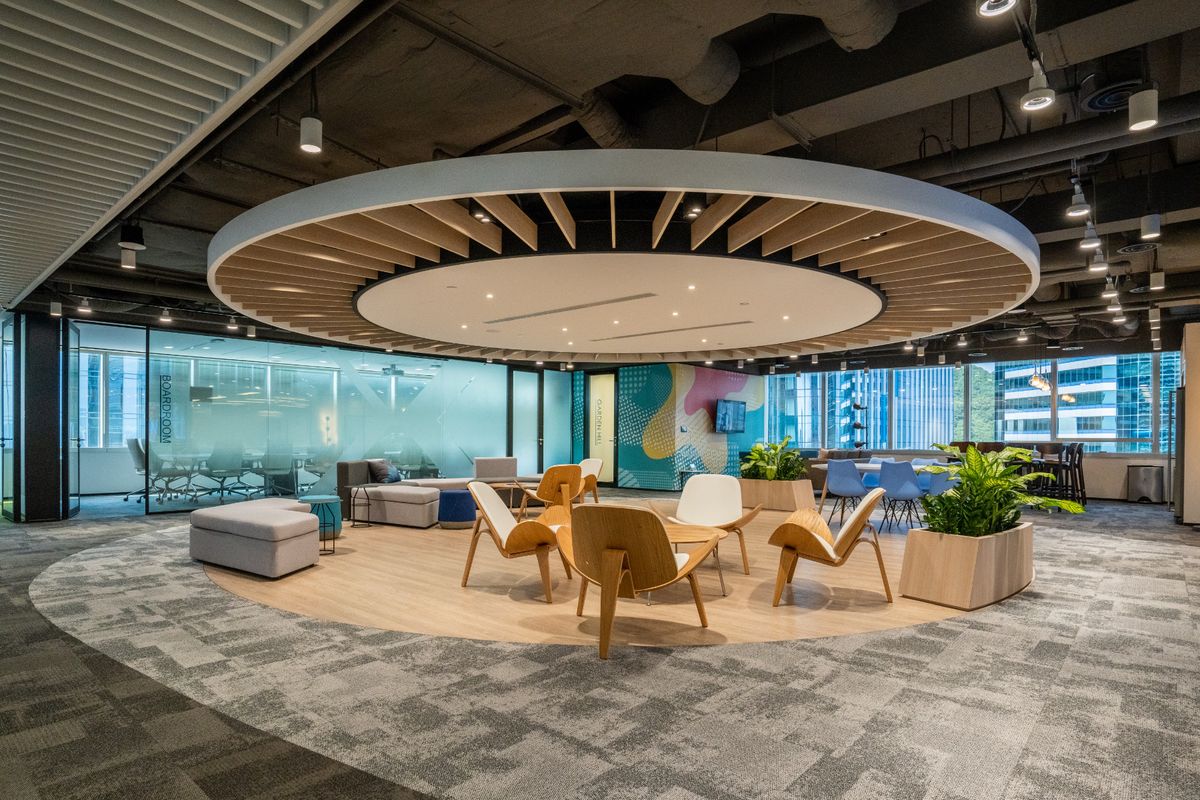
Shared coworking office workplace in Hong Kong

Flexible workplaces & multi-tenant offices

For changing occupancy, shared amenities, bookable rooms and the practical service rhythms that support a changing workplace environment.

A stronger starting brief

What to bring into the first office-cleaning discussion.

You do not need a final specification before getting in touch. The following details make it easier to move from a broad requirement to a discussion that is useful for the workplace team and any internal procurement review.

The office locations, floors and relevant areas

01

Occupancy, visitor and meeting-room patterns

02

Access requirements, permitted service windows and building arrangements

03

Routine frequency, periodic tasks and any one-off requirements

04

Surface types, pantry amenities and spaces that need particular attention

05

The client’s preferred review points, documentation and contacts

06

A practical proposal process

A considered scope before a promise.

1. Understand the workplace

Share the workplace setting, its operational patterns and the aspects of the environment that need particular consideration.

2. Discuss the proposed scope

Consider routine areas, timing, access, surfaces, periodic tasks and any boundaries that should be clear before service is planned.

3. Prepare a clearer proposal

Use the agreed information to distinguish the proposed routine from assumptions, additional requirements or details that need confirmation.

4. Plan the working relationship

Agree how operational questions, site contacts and review points will be handled as the workplace needs develop.

Common questions

Questions workplace teams often ask.

The right answers depend on the site and the brief. These are useful starting points for an internal conversation.

01What should I look for when choosing an office cleaner in Hong Kong?

Start with the quality of the brief rather than a generic promise. The proposal should reflect the office environment, access conditions, service timing, responsibilities, relevant surfaces and the way the workplace is actually used. It should also make clear what is routine, what is periodic and what still requires confirmation.

02Can a corporate office cleaning scope include meeting rooms, pantries and client-facing areas?

Yes. These areas can be included in a proposed scope where they form part of the workplace requirements. It is useful to describe the relevant operating patterns, the presentation priorities and any access boundaries so the discussion can be specific.

03How can an institutional or procurement team compare office-cleaning proposals?

Compare the same underlying brief. Check that each proposal identifies the covered areas, schedule assumptions, service frequency, exclusions, one-off requirements and communication arrangements. A lower figure is difficult to evaluate if the scopes are not aligned.

04Does CLN Office only work with large offices?

No. The starting point is the workplace requirement, not a headline size threshold. Smaller offices can also need a well-planned scope when they have client-facing spaces, shared amenities, formal meeting rooms or specific access arrangements.

05How do we begin an office-cleaning discussion?

Use the Build Protocol to share the workplace setting, relevant areas, frequency considerations and operational priorities. The details can then be discussed in a practical office-cleaning brief.

Continue planning

Useful next steps for an office-cleaning brief.
Start with the workplace

A clearer office-cleaning brief begins with a better conversation.

Tell CLN Office about your workplace setting, the areas to discuss and the service priorities that matter to your team. We will use that context to begin a practical scope conversation.

Build a workplace brief