
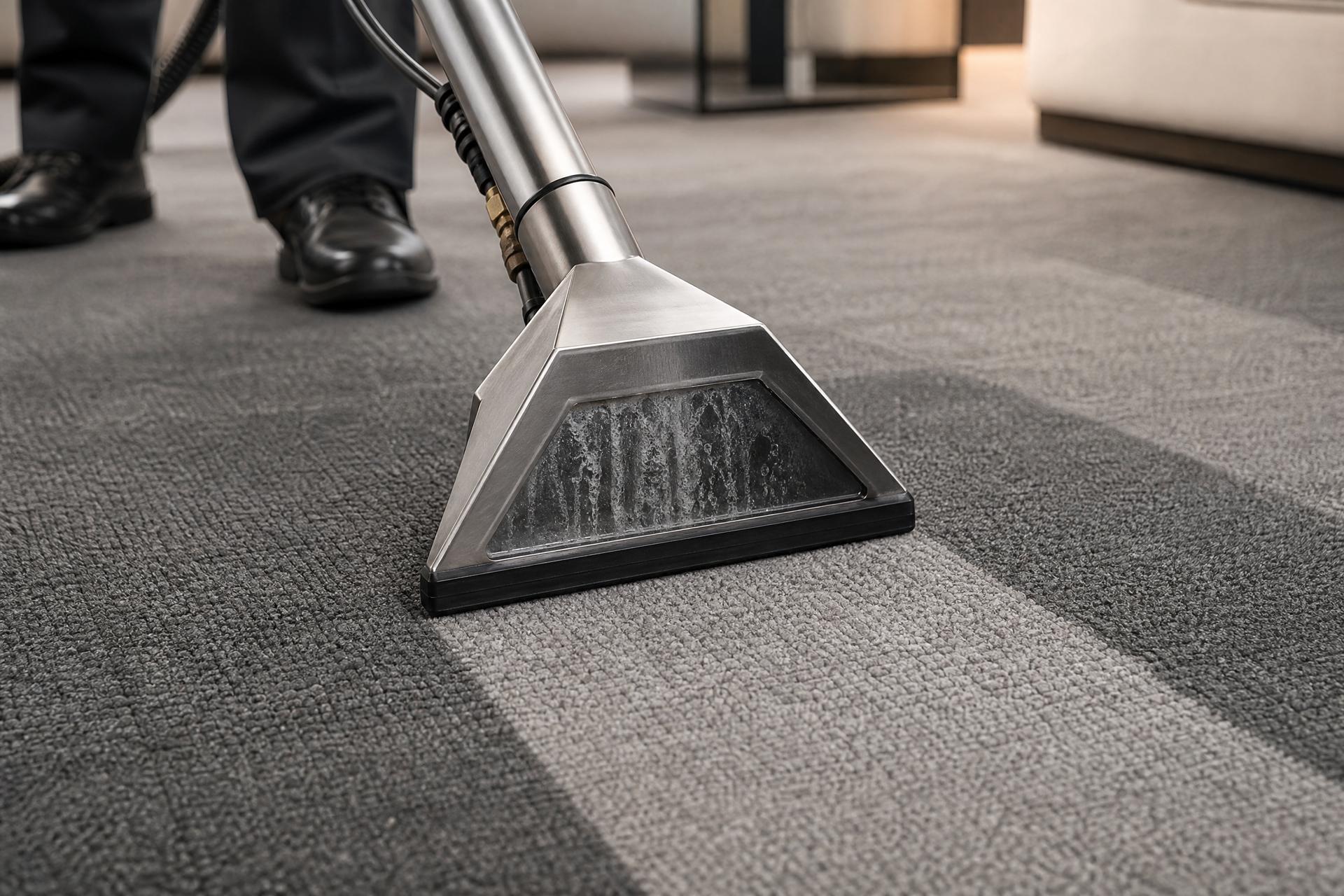
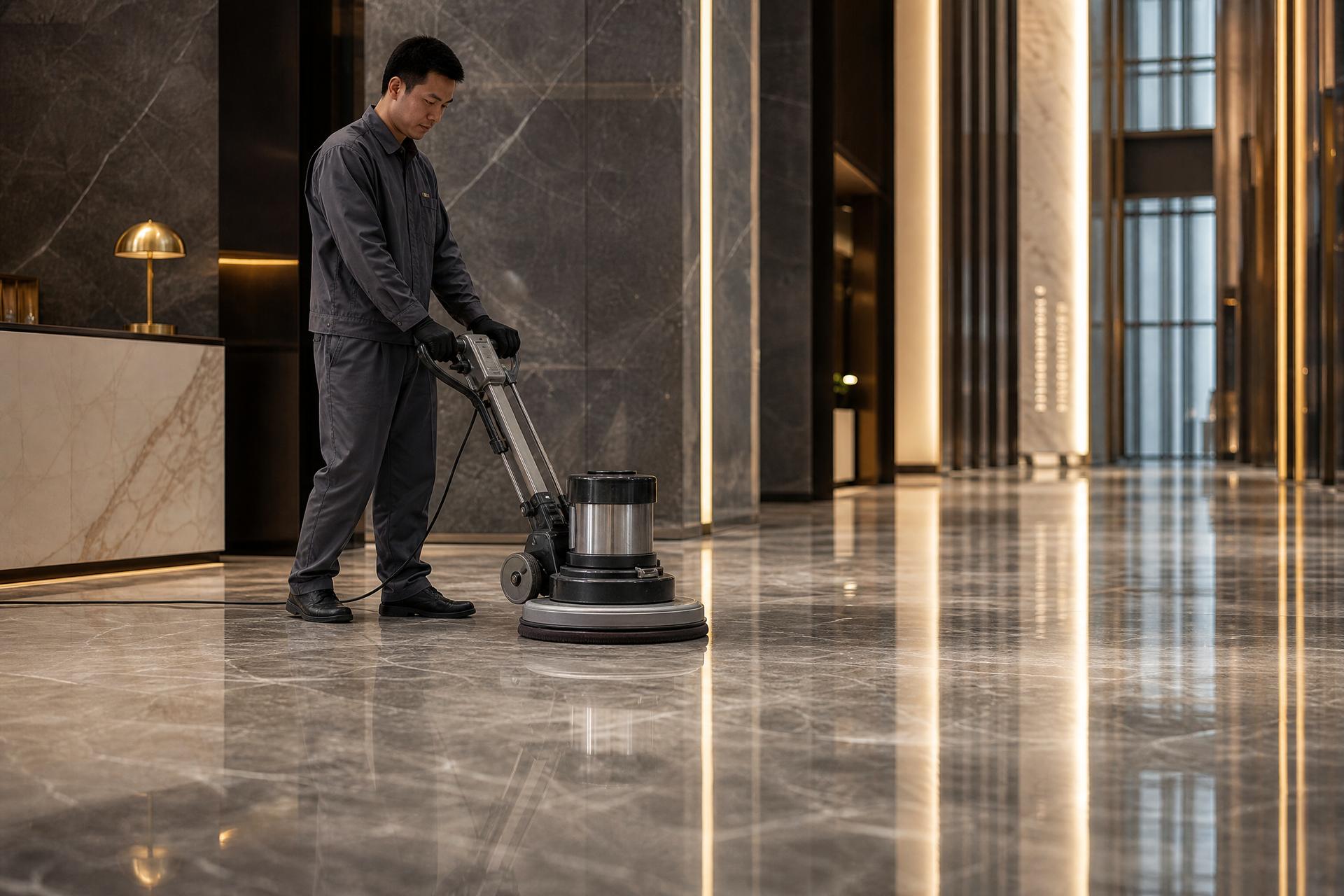

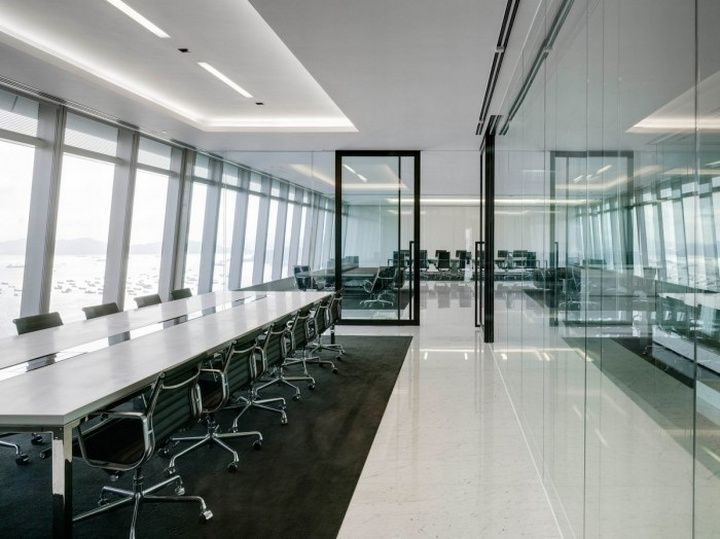
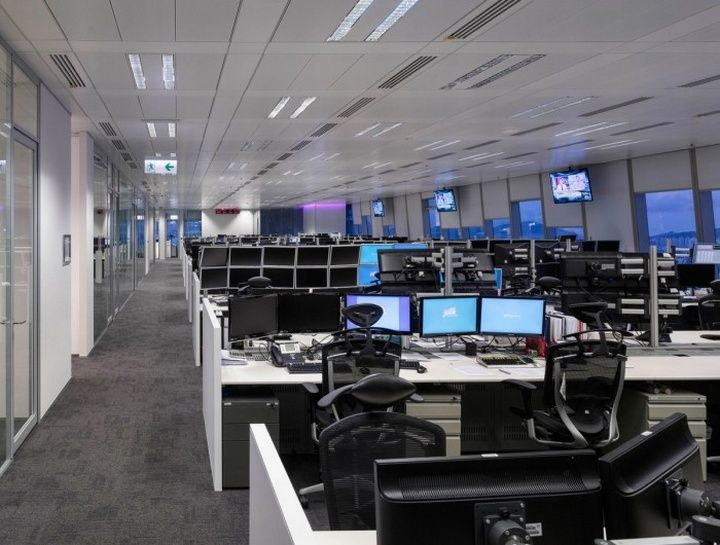
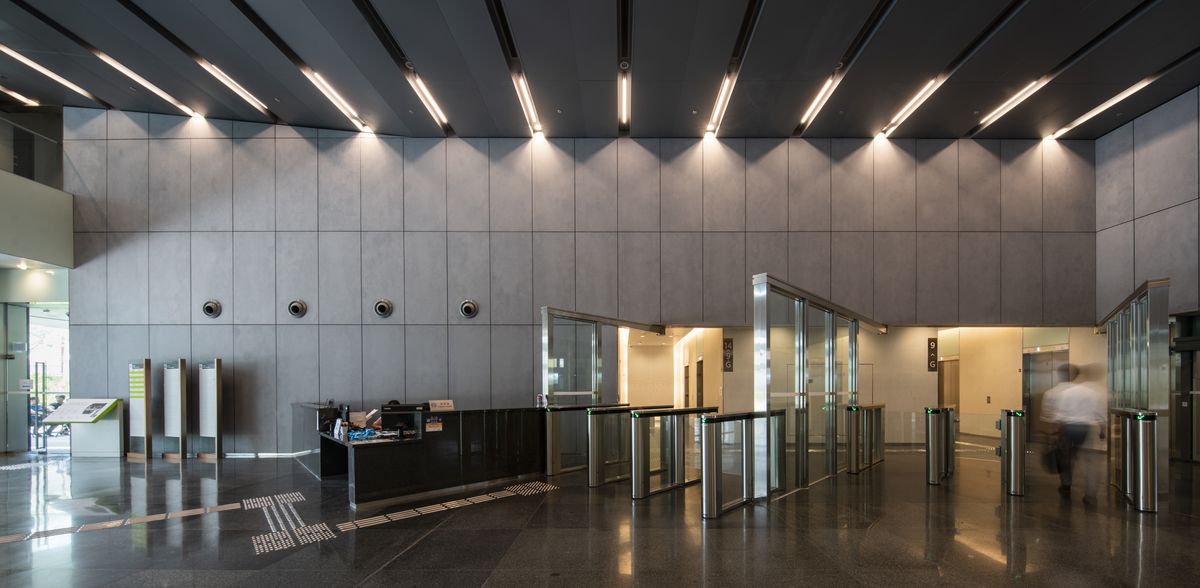

“Grade A standard” is often used as shorthand for a well-presented, well-managed office environment. It is not, however, one universal cleaning specification. The practical standard for any workplace is shaped by its lease or building rules, the way teams use the space, access arrangements, the finishes in place and the presentation expected by the occupier.
This guide is designed for office tenants, facilities teams and property professionals who want to prepare a clearer cleaning brief before asking for a proposal. It does not replace building requirements, product instructions, safety advice or a provider’s site assessment.
Use this as a discussion guide. A final scope, timetable, method, access procedure and quotation should be agreed with the relevant building, workplace team and appointed service provider.
1. Begin with the boundary between building and workplace
The first question is not “How often should we clean?” but “Which areas are we responsible for?” A Grade A office can include landlord-managed entrances, lift lobbies, loading arrangements and common washrooms alongside occupier-managed reception areas, workstations, meeting rooms, pantries, internal glass and storage spaces.
Ask building management which areas, access routes and service windows are controlled centrally. Then map the areas within the office that your team wants to include. A short written boundary avoids assumptions when a concern is reported or a one-off task is requested.
2. Define the presentation standard by zone
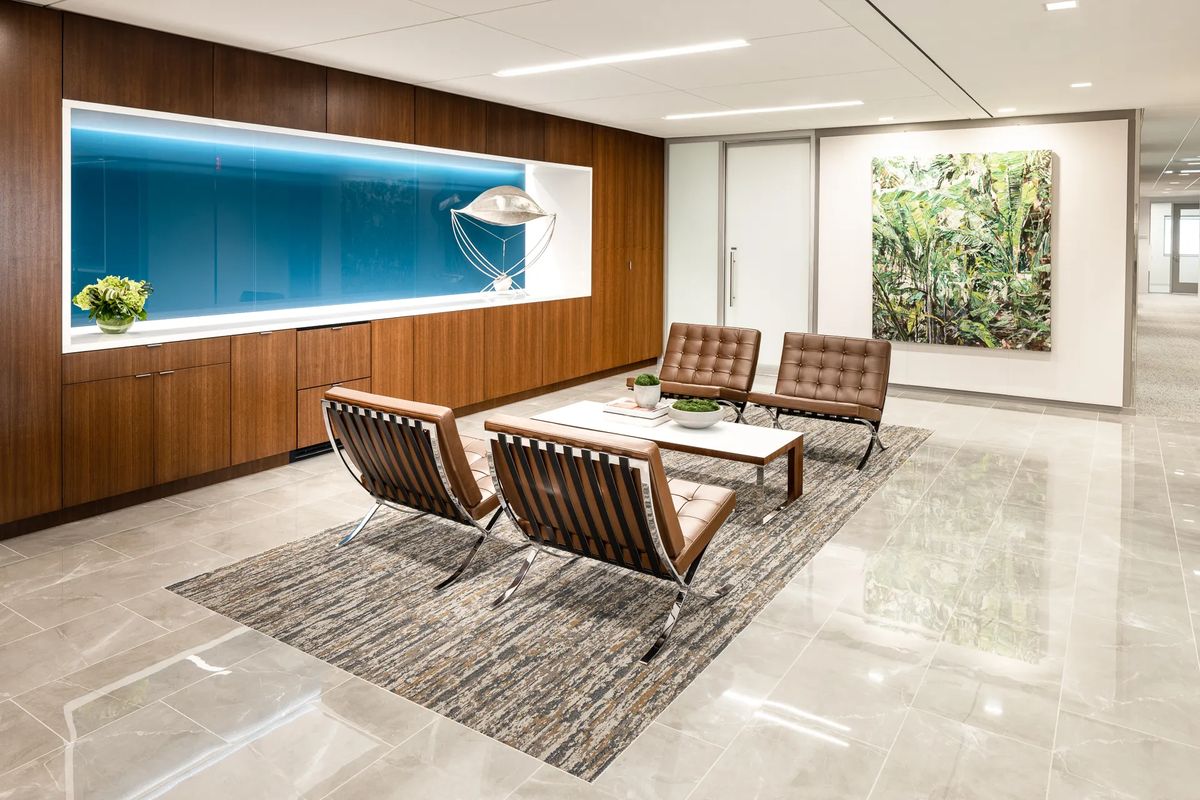
Every area does not need the same approach. The most useful briefs distinguish between the parts of an office that shape a visitor’s first impression and the areas that need practical upkeep around daily use.
- Reception and visitor routes: arrival times, front-desk activity, display surfaces, internal glazing and discreet access arrangements.
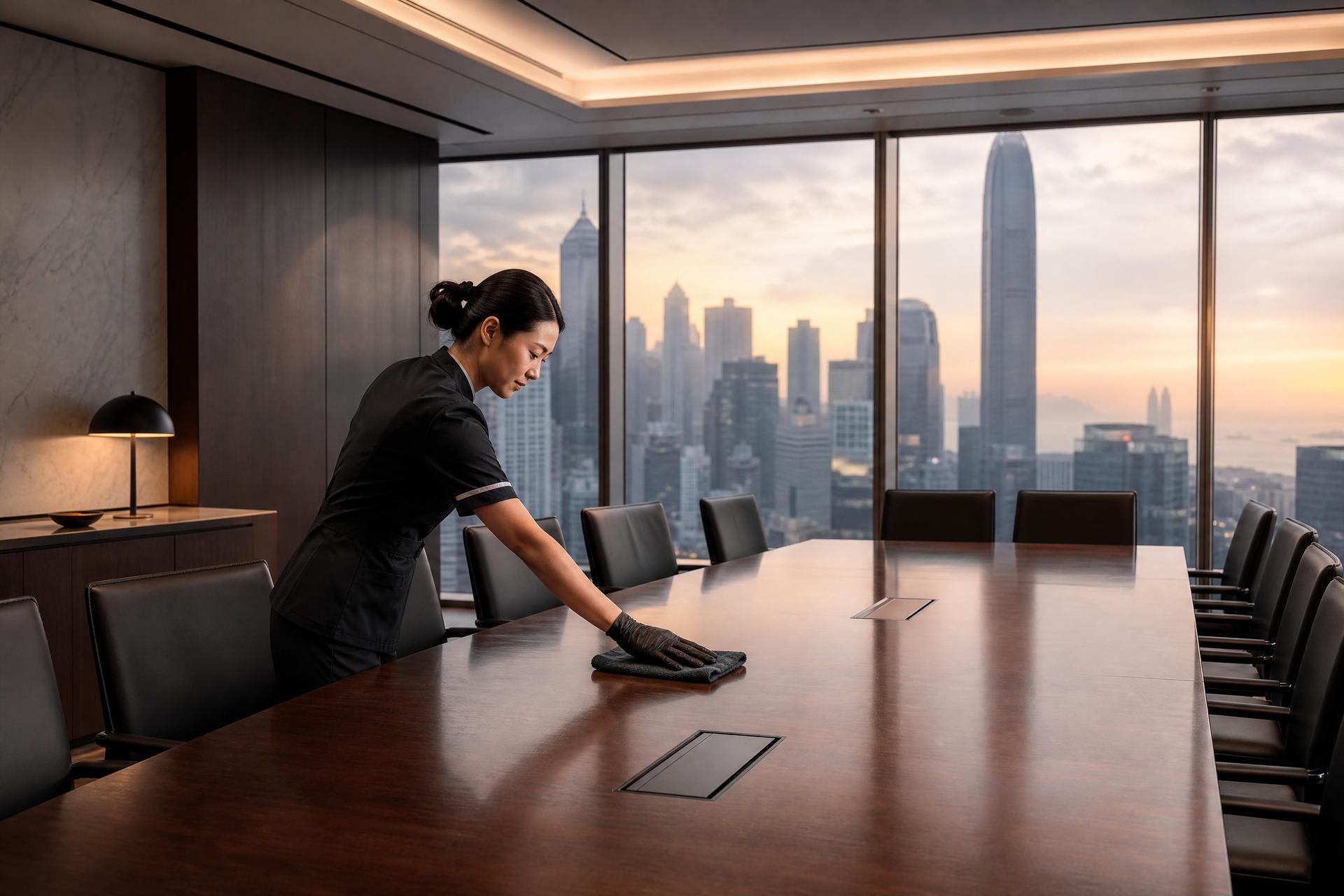
- Meeting rooms and executive areas: booking patterns, turnover moments, table surfaces, whiteboards, pantry service points and confidential-material boundaries.
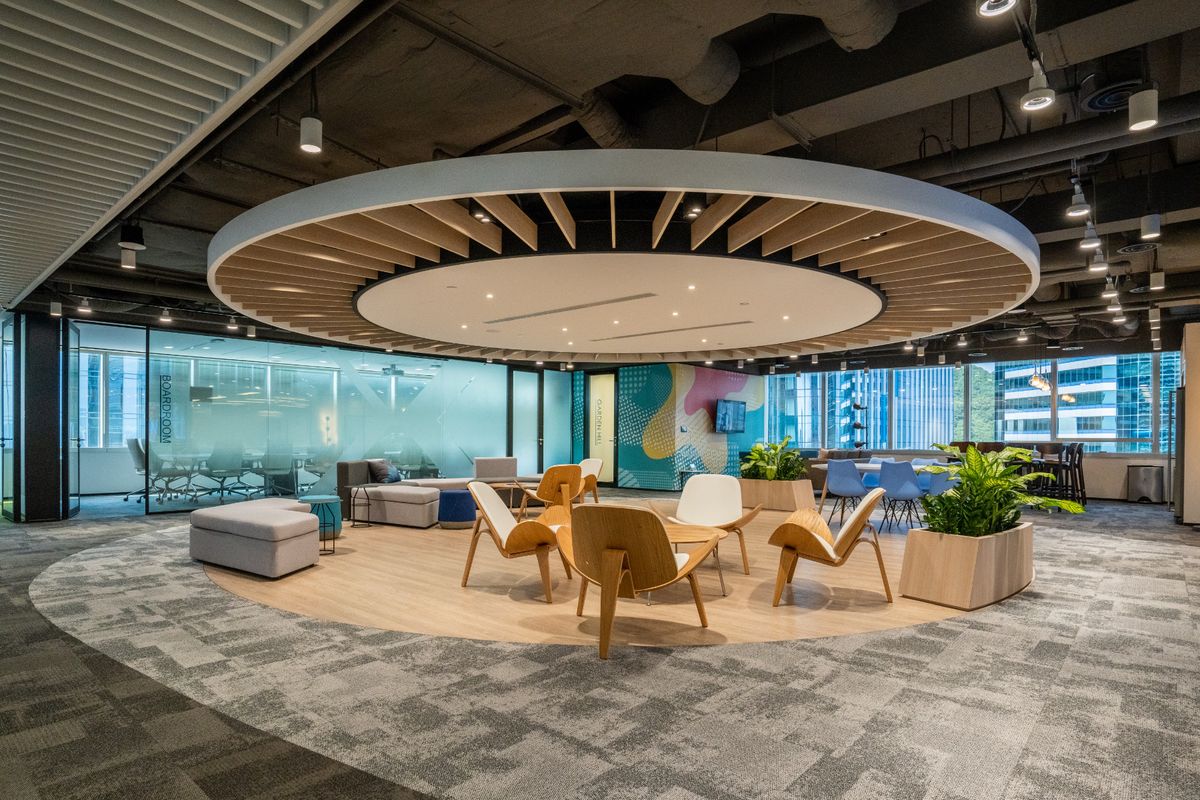
- Open-plan work areas: desk-clearing expectations, shared equipment, personal-item boundaries, workstation access and preferred service windows.
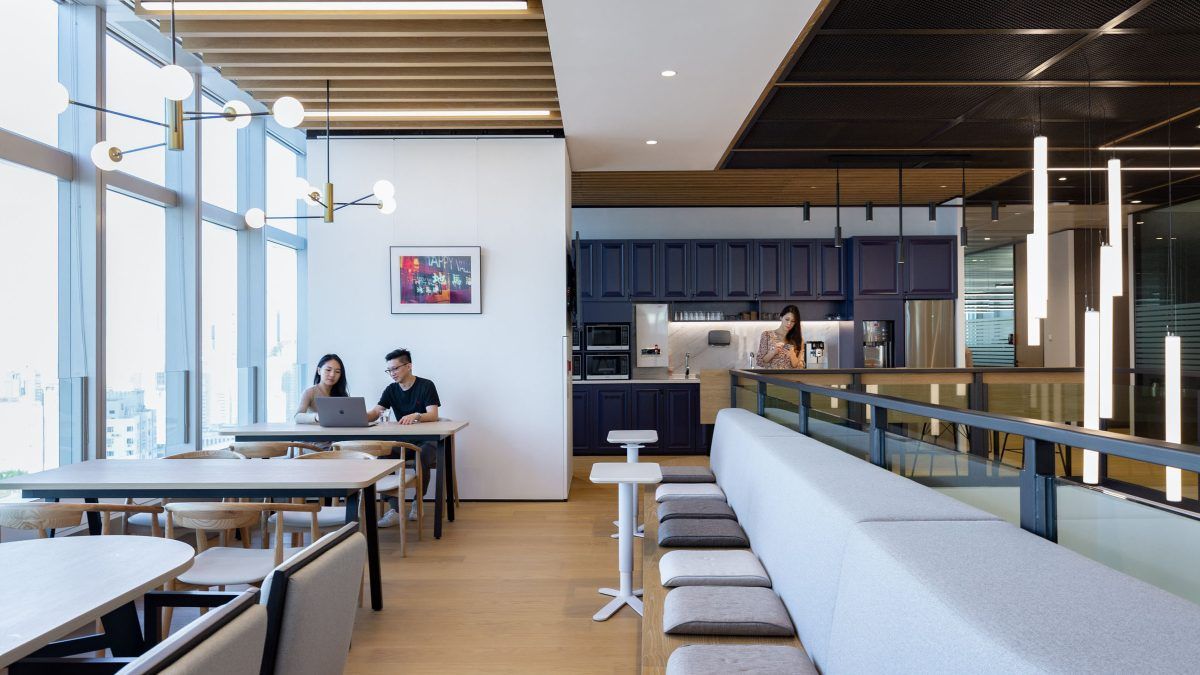
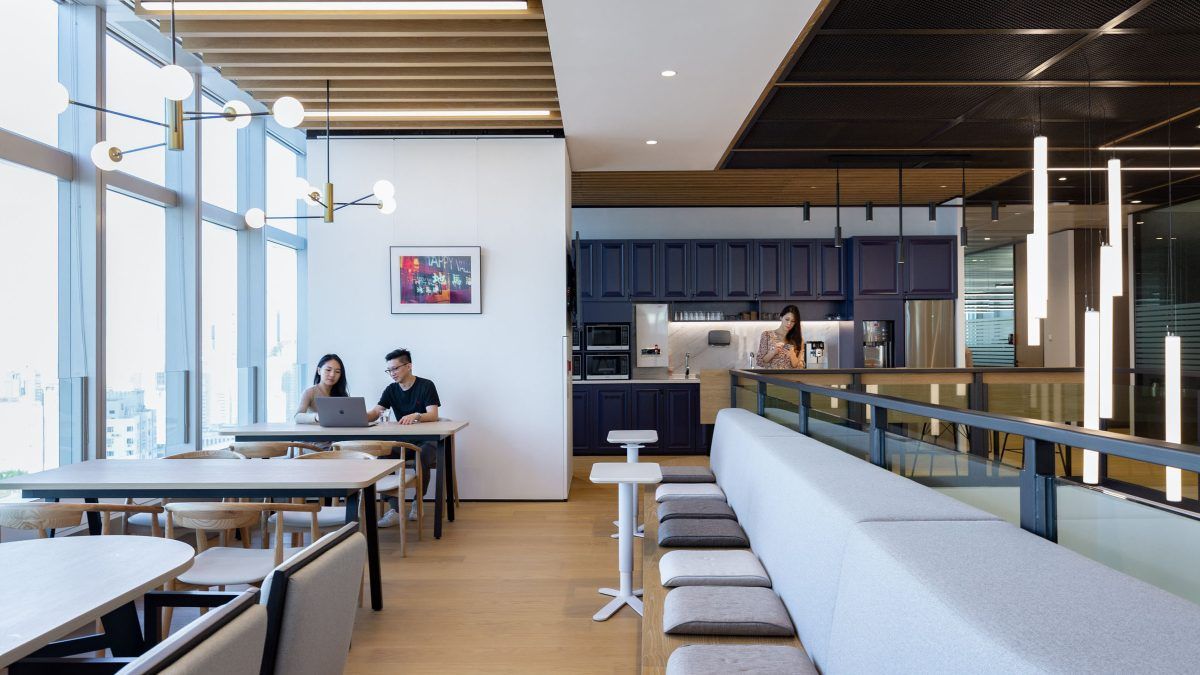
- Pantries and shared amenities: food waste, appliance surfaces, wash-up arrangements, replenishment responsibilities and odour concerns.
- Washrooms and high-touch points: occupancy patterns, consumables, complaint process, service records and any building-managed interfaces.
- Store rooms, IT areas and back-of-house spaces: entry permission, no-go zones, equipment sensitivities and the client contact who can clarify access.
3. Plan around the working day, not around a generic schedule
Office use is rarely uniform. A quiet morning can be followed by visitor activity, board meetings, hybrid-work days or late events. A useful cleaning plan describes the operational rhythm: when people arrive, when meeting rooms turn over, when shared amenities are busiest, and when service access is possible without disrupting work.
Where the office has particular windows for early-morning, evening or weekend work, record them as a preference to be confirmed rather than a guarantee. Building security, lift access, loading arrangements and escort requirements may affect what is practical on any given site.
4. Separate routine work from periodic and one-off requirements
Routine work keeps agreed areas ready for normal use. Periodic work can address surfaces or areas that need a less frequent discussion. One-off work may relate to a fit-out, relocation, handover, spill, event or a focused reset. Combining all three in one vague request makes it difficult to understand priorities or compare proposals.
For each category, note the area, the concern, the preferred timing, access restrictions and whether a building or project contact needs to be involved. If photographs, drawings or site records are available, agree how they will be handled before sharing them.
5. Make access and confidentiality explicit
In many office environments, access is as important as the cleaning task itself. Identify reception procedures, visitor registration, lift controls, restricted floors, desk-clearing expectations, locked rooms, secure bins and the client contact who can answer questions on site.
This is especially helpful for finance, legal, professional-services, government and technology workplaces, but it is useful for every office. Clear boundaries let the provider prepare an appropriate method for discussion without implying access to records, devices or confidential material.
6. Discuss surfaces and products before work starts
The same product or method may not be appropriate for every finish. Record the materials that need particular care—such as natural stone, specialist flooring, timber, upholstery, internal glass, matte finishes or screens—and explain any manufacturer, landlord or workplace requirements you already hold.
Hong Kong’s Indoor Air Quality Management Programme advises office managers to maintain ventilation, keep workplaces clean and dry, and consider no- or low-VOC products where appropriate. The official IAQ source is listed below. Ask a prospective provider what product information, material-safety information or method details can be supplied for the scope under discussion. This is a request for clarity, not a substitute for the relevant product instructions or professional advice.
7. Treat indoor-air and moisture concerns as coordination issues
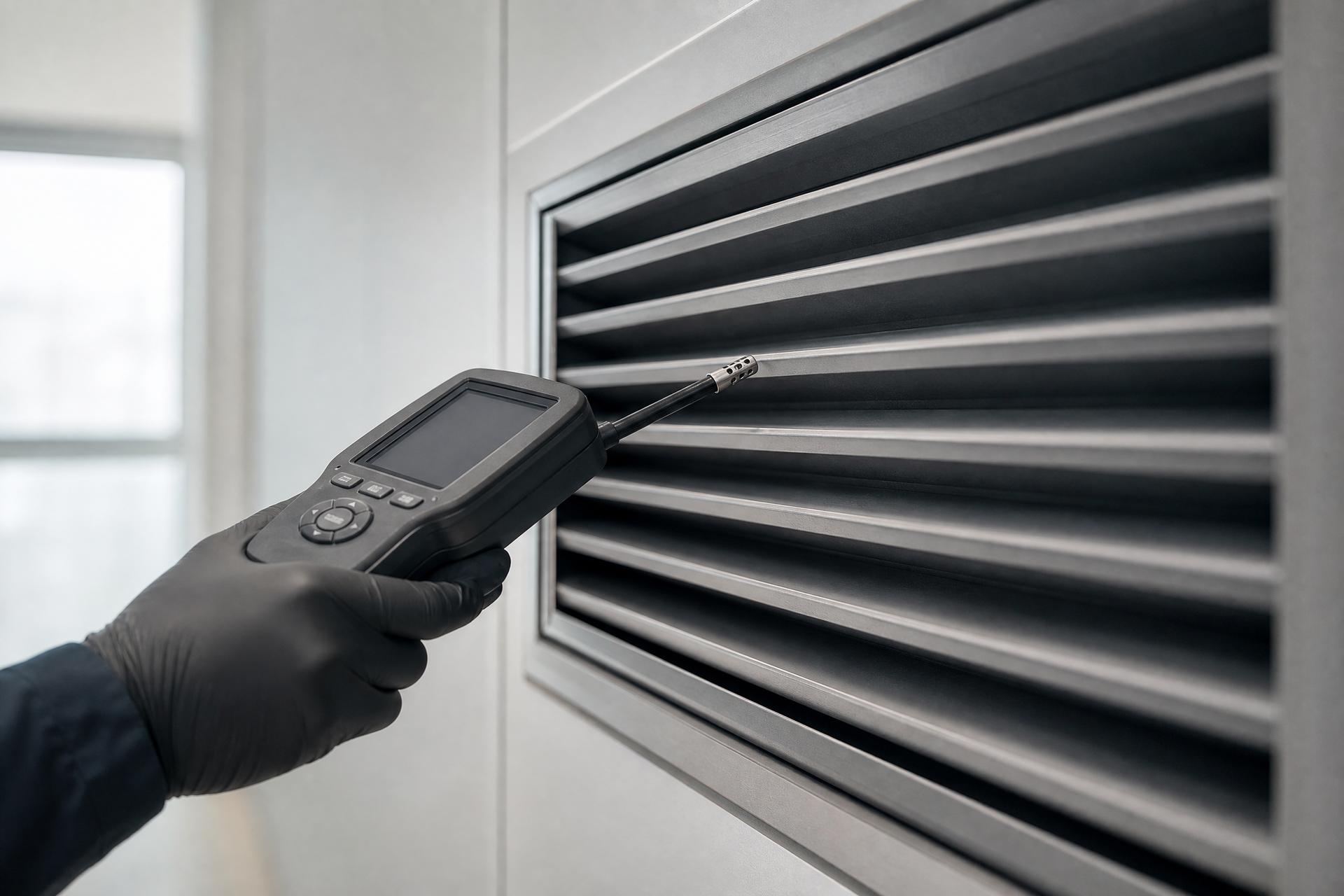
Cleaning is only one part of maintaining an indoor environment. The official IAQ guidance highlights adequate ventilation, clear air-quality procedures and prompt reporting of water leakage; it also notes that vents and ducts should not be blocked. The official IAQ source is listed below.
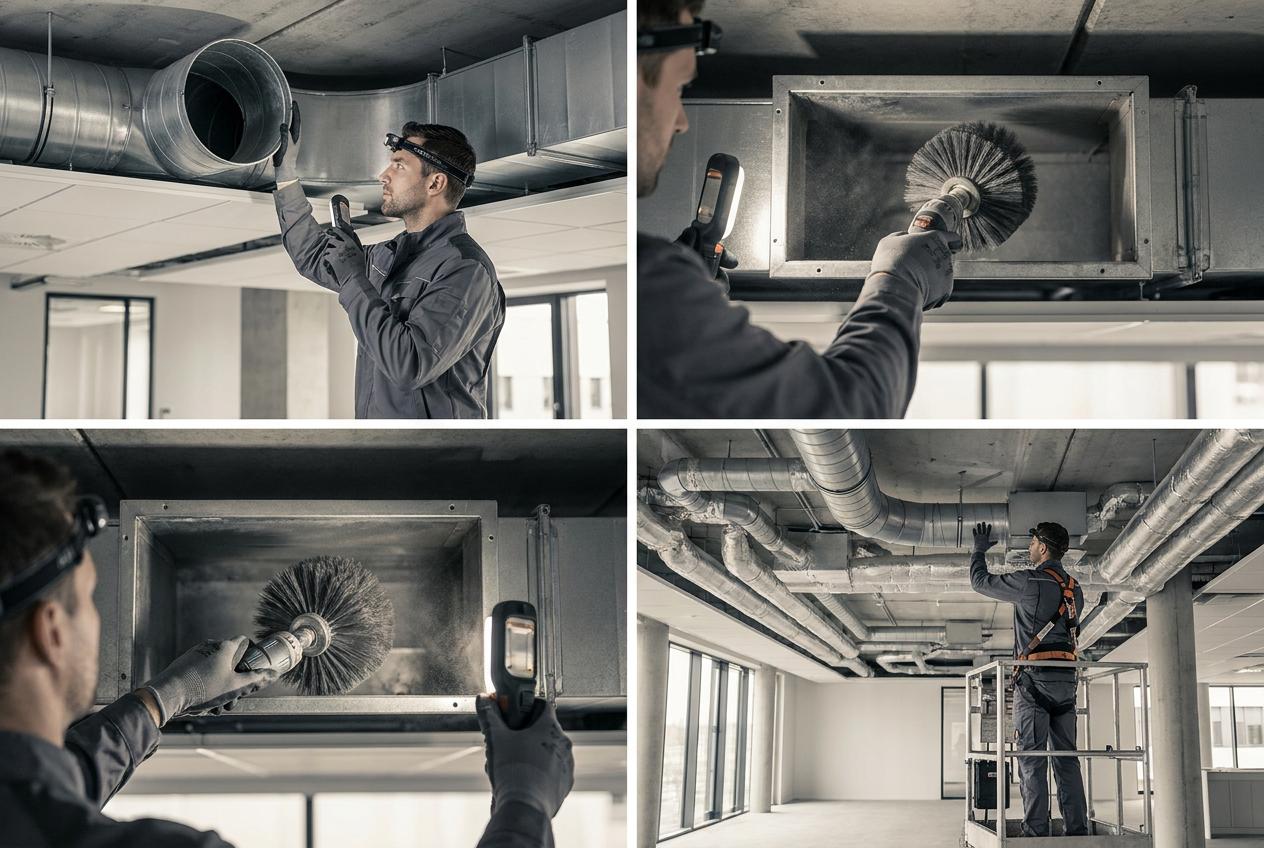
If an office has an odour, visible water mark, condensation, mould concern or recurring dust issue, record the location and timing and notify the appropriate building contact. The response may require coordination with building management, an air-conditioning contractor or another competent specialist. A cleaning brief should describe the observed issue, not diagnose its cause.
8. Build waste and recycling into the workplace routine
Waste handling is easier when the office has agreed collection points, clear bin ownership and instructions that suit the way people actually work. GovHK’s Green Office Management guidance frames waste reduction around reducing at source, reuse, clean recycling, recovery and disposal. The official Green Office source is listed below.
For a workplace brief, decide which bins are in scope, what should remain separate, who removes food waste, how confidential waste is handled, and whether the office has its own recycling procedure. Do not assume that a provider is responsible for a particular stream or collection point unless it is specifically agreed.
9. Agree the evidence that is useful—not just more paperwork
Service records should help the workplace team answer a simple question: what was discussed, what was completed, and what needs follow-up? Depending on the agreed scope, this might be a visit log, a short exception note, a consumable observation or a named point of contact. Avoid requesting reports that no one will use.
Set a practical review point after mobilisation and thereafter when the workplace changes. A shift in occupancy, a new fit-out, a change in access, recurring feedback or a new shared amenity can be a reason to revisit the brief.
10. Ask the right questions before requesting a proposal
Before a provider visits the office, prepare answers to the following:
- Which workplace areas are in scope, and which are managed by the building or another party?
- What must look ready at the start of the day, between meetings or before visitors arrive?
- What access controls, restricted zones and confidentiality boundaries apply?
- Which surfaces, finishes, products, waste streams or product-information requests need to be considered?
- Which routine, periodic and one-off tasks need separate discussion?
- Who can confirm service windows, loading access, escort arrangements and building procedures?
- What form of follow-up or record would be genuinely useful to the office team?
A short, well-prepared site discussion is usually more useful than a generic list of tasks. Bring a simple floor plan if one can be shared appropriately, note the visitor and workplace zones, identify access restrictions, and list the questions that need input from building management or the office team.
It is also useful to identify who will make decisions about the brief. The person who opens the office may not be the person who can approve timing, product preferences, waste handling or a change to access. Naming the relevant contacts early can reduce avoidable follow-up later.
12. Create a practical handover and change process
Offices change. A new fit-out, event, floor move, change in occupancy, seasonal period or recurring concern can alter what the workplace needs. Rather than treating every change as a failure of the original brief, agree how changes will be raised, who will assess them, and whether they affect the routine scope, a periodic discussion or a separate one-off request.
For a relocation or handover, add the condition of the space, the target date, the areas that remain occupied, the permitted access window and any close-out checks requested by the building or project team. The Office Handover Cleaning Checklist provides a separate planning reference for that context.
13. Use a one-page brief that colleagues can actually review
Long specifications can be necessary for some sites, but most conversations start more effectively with a one-page summary. The table below can be used as a prompt before a provider visit or internal review.
- Workplace context: occupied office, shared workplace, building-managed area, handover or focused project.
- Priority zones: reception, meeting rooms, work areas, pantry, washrooms, shared amenities or other agreed locations.
- Operating rhythm: arrival, visitor, meeting and access patterns that affect suitable service windows.
- Access and boundaries: security procedure, restricted rooms, desk-clearing expectations, escort needs and the responsible contact.
- Materials and environment: surfaces needing particular care, product-information requests, ventilation or moisture observations, and waste arrangements.
- Review points: what the office team wishes to observe, how exceptions are raised and when the brief should be revisited.
A considered next step
A Grade A office brief works best when it starts with the operating context rather than a generic package. Use the OfficeCleaner guided enquiry to organise your workplace type, areas, timing and planning points before discussing a suitable scope. The information is a starting point for conversation; it does not create a service commitment or quotation.