


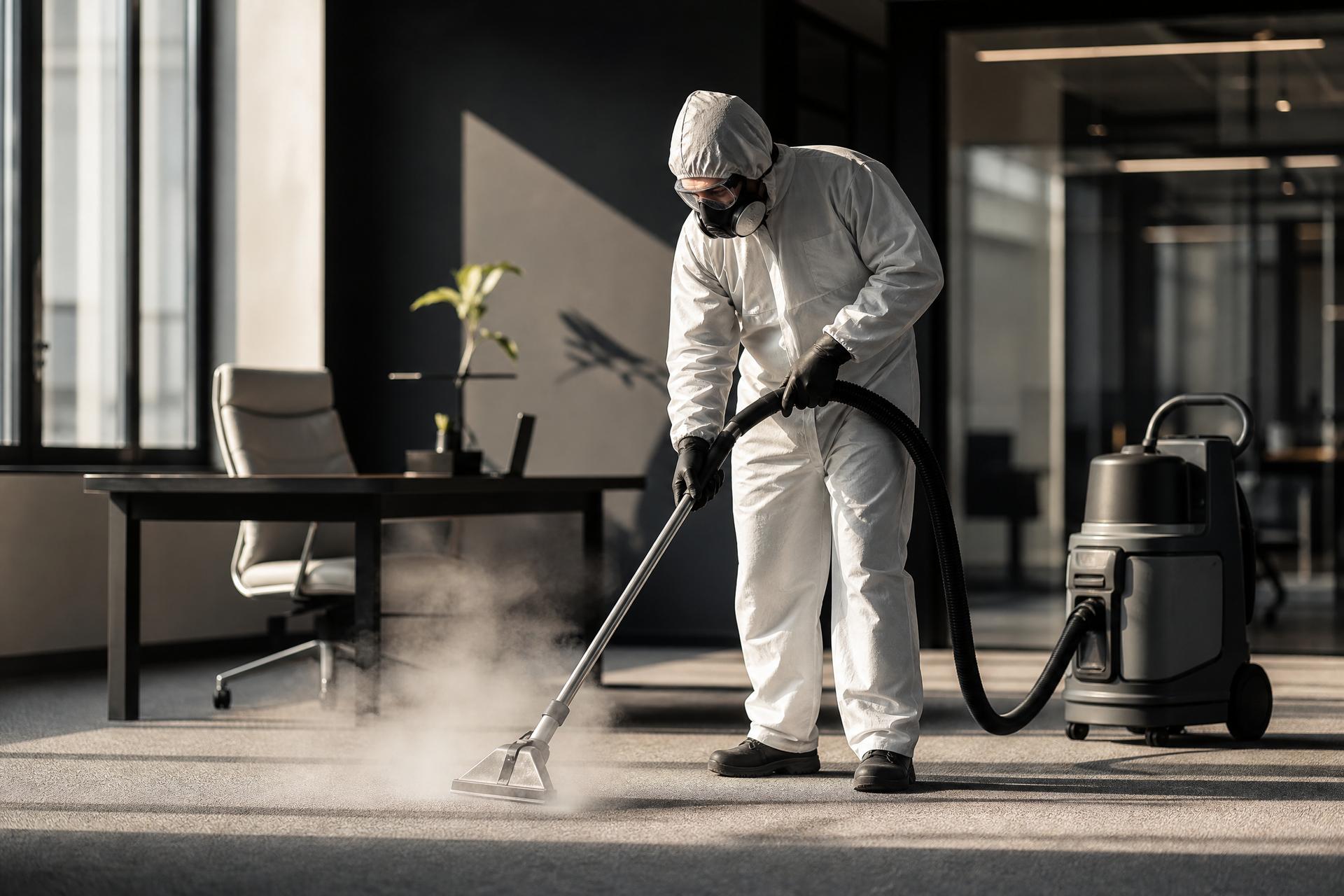
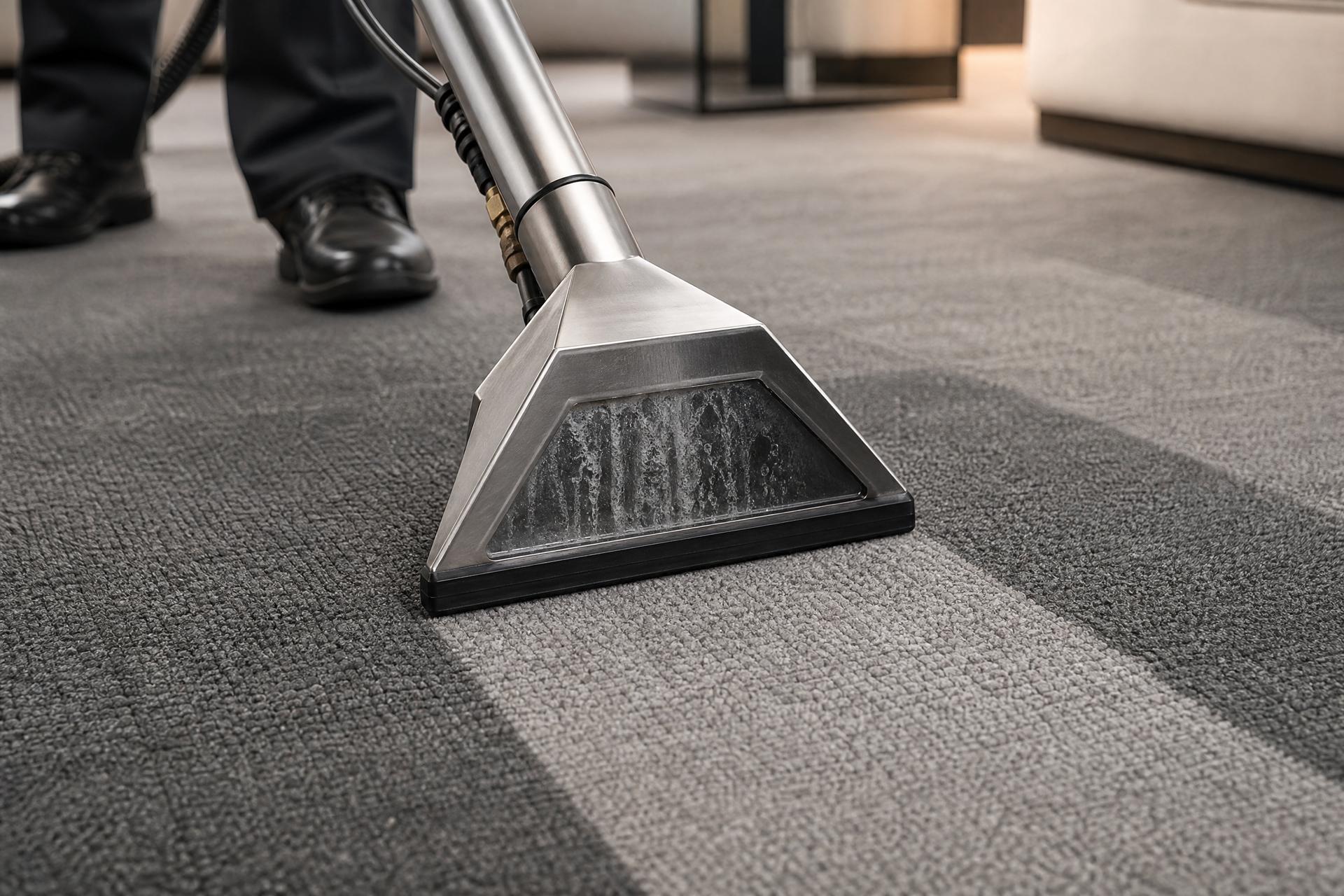







Hong Kong's Indoor Air Quality (IAQ) Certification Scheme, administered by the Environmental Protection Department (EPD) in collaboration with the Electrical and Mechanical Services Department (EMSD), provides a voluntary but widely adopted framework for assessing air quality in non-industrial premises. The scheme defines two performance classes — "Excellent" and "Good" — against eight key parameters including carbon dioxide (CO₂), respirable suspended particulates (RSP/PM2.5), total volatile organic compounds (TVOCs), and biological contaminants (bacteria and fungi).
The IAQ Objectives
Under the IAQ Objectives (2019 revision), the "Excellent Class" limits include: CO₂ below 800 ppm; PM2.5 below 12 μg/m³; TVOCs below 200 μg/m³; and airborne bacteria below 500 colony-forming units per cubic metre (CFU/m³). The "Good Class" permits higher thresholds — CO₂ below 1,000 ppm and bacteria below 1,000 CFU/m³ — but even these standards require well-maintained HVAC systems to achieve consistently.
The Role of HVAC Hygiene
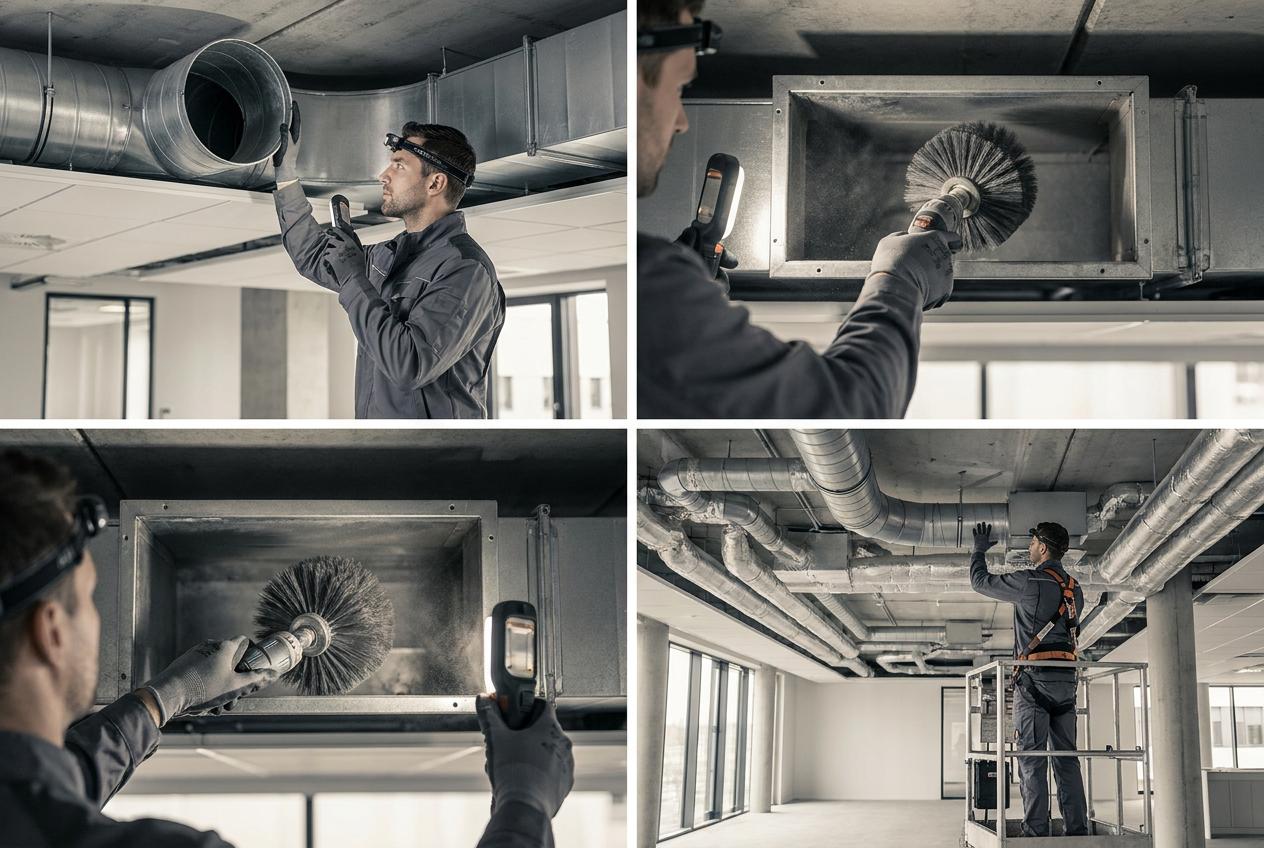
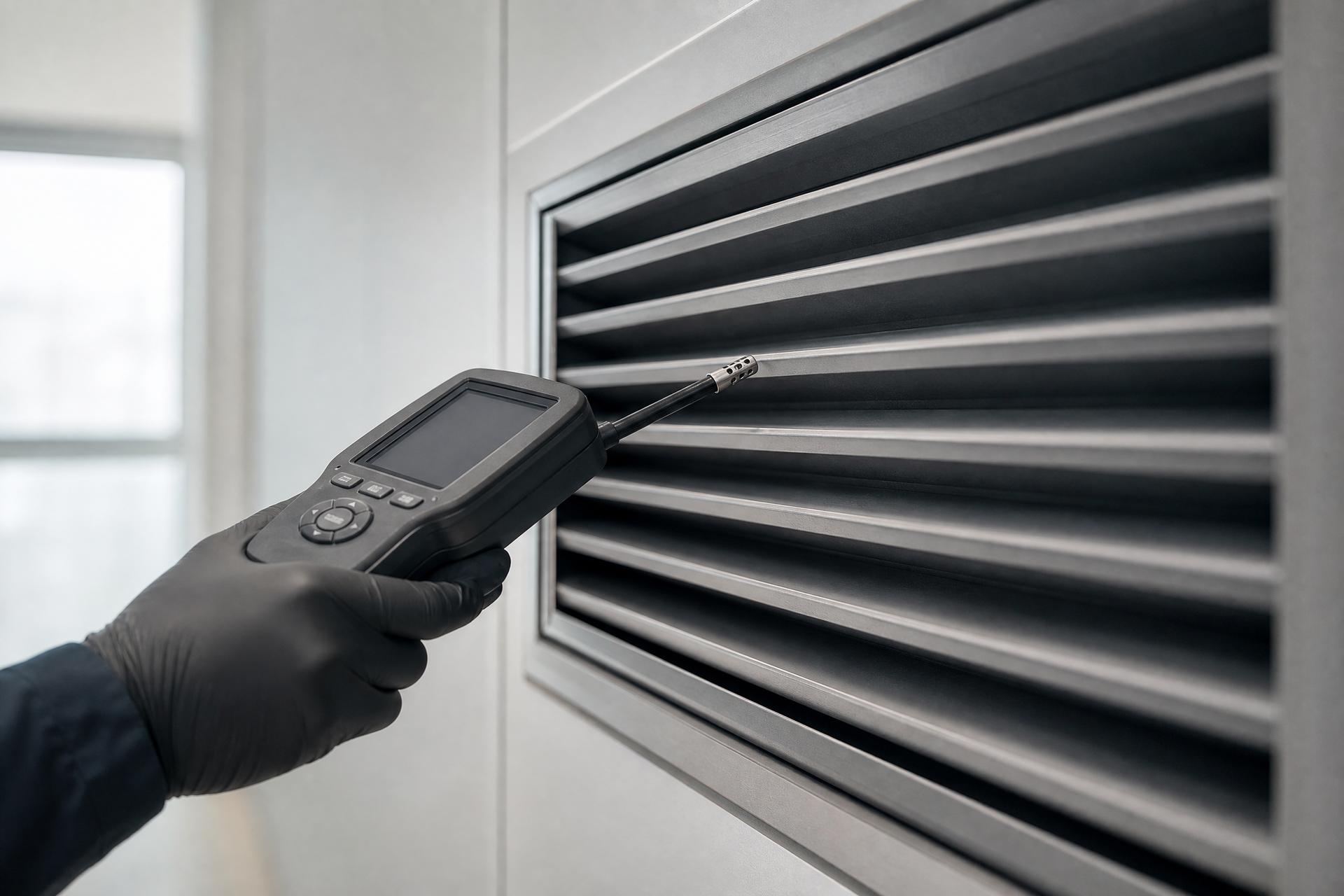
The EMSD's Code of Practice for Energy Efficiency of Building Services Installation and the ASHRAE Standard 62.1 (adopted as a reference standard in Hong Kong) both emphasise that HVAC system cleanliness is fundamental to achieving IAQ objectives. Accumulated dust, biofilm, and mould in air handling units (AHUs), fan coil units (FCUs), and ductwork are the primary sources of elevated biological contaminant counts and elevated particulate levels in occupied spaces.
The NADCA (National Air Duct Cleaners Association) ACR Standard, which is referenced by facility managers across Hong Kong's Grade A office stock, specifies that HVAC components should be inspected annually and cleaned when surface contamination exceeds defined thresholds. In Hong Kong's humid subtropical climate — where relative humidity regularly exceeds 80% from March to September — mould growth in cooling coils and drain pans is an accelerated risk that demands more frequent inspection cycles than temperate climates.
Liability and Certification
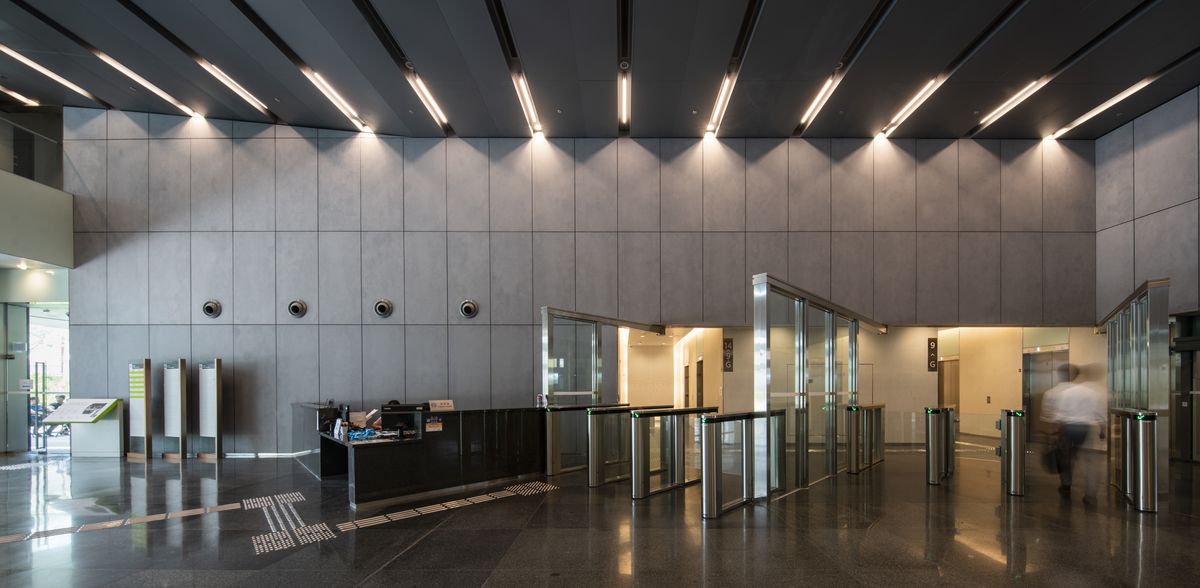
Buildings participating in the EPD's IAQ Certification Scheme must conduct air quality measurements using accredited laboratories and submit results for assessment. Certified buildings display the IAQ certificate at building entrances, which has become a standard expectation among Grade A office tenants. Property managers who fail to maintain certified status risk tenant complaints, lease renegotiations, and reputational damage in a market where air quality has become a material factor in leasing decisions — particularly since 2020.
Where a workplace team has air-quality, HVAC or record-keeping considerations, the requested scope and any documentation can be discussed before work is proposed.