

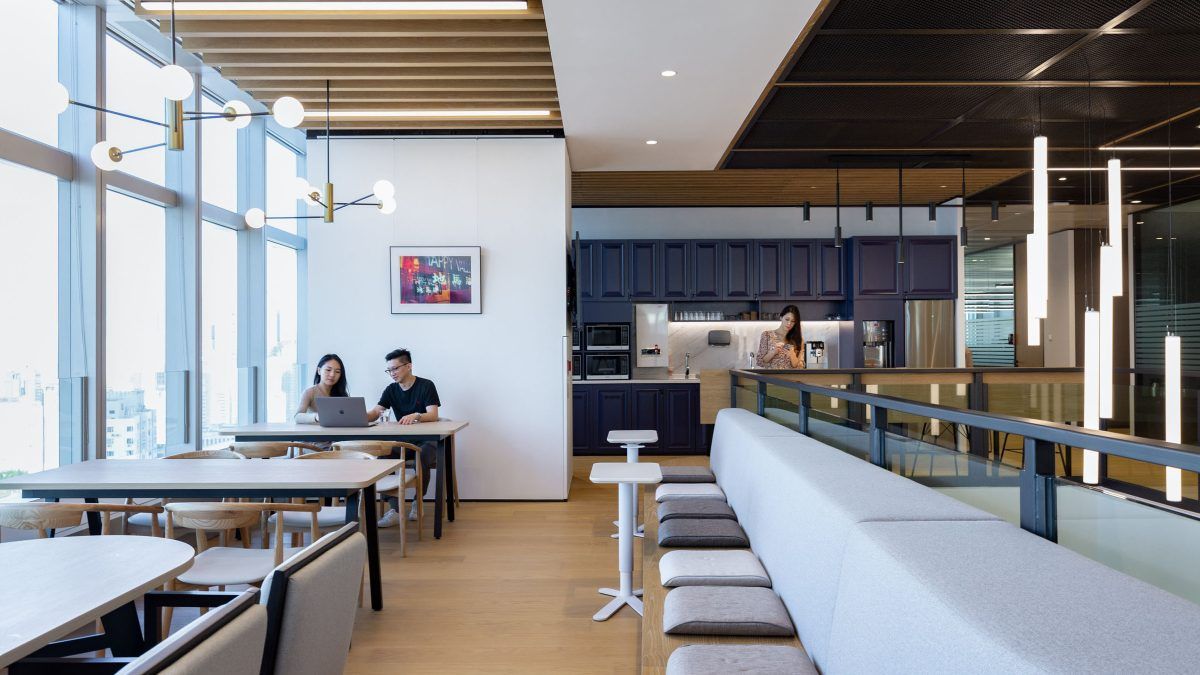


香港's 甲级 office market is one of the most competitive in Asia-Pacific, with institutional landlords — including Link REIT, Swire Properties, Hongkong Land, and Sun Hung Kai Properties — managing portfolios that collectively span millions of square metres of premium commercial space. The cleaning and facility maintenance standards expected in these buildings have evolved from a basic janitorial function into a sophisticated, technology-enabled 服务 that directly impacts tenant 满意度, lease renewal rates, and asset valuations.
市场概况
According to JLL's 香港物业 Market Monitor, the total 甲级 office 供应量 in 香港 exceeds 10 million square metres, with 中环 and 金钟 accounting for the highest concentration of premium space. 空置率 rates in core 地区 have fluctuated in recent years, intensifying competition among landlords for quality tenants — and elevating the importance of building presentation and hygiene as differentiating factors.
清洁频率 and 范围
Institutional-grade office buildings typically operate on a 每日 cleaning programme that covers common areas, lobbies, lifts, and washrooms, supplemented by periodic 深层-清洁 of carpets, hard floors, and external glazing. The BOMA (Building Owners and Managers Association) cleaning standards, which are widely referenced by 香港's institutional property managers, define cleaning frequencies across five categories — from 每日 high-touch surface cleaning to annual 深层-清洁 of mechanical plant rooms.
Tenant fit-out areas are typically the responsibility of individual occupiers, but landlords increasingly specify minimum cleaning standards in lease agreements to protect the presentation of common areas and building systems. Multi-national tenants in particular — especially 金融 institutions, law firms, and professional services firms — maintain their own internal cleaning specifications that often exceed base building standards.
可持续发展 and 绿色建筑 Requirements
香港's Buildings Energy Efficiency Ordinance (Cap. 610) and the BEAM Plus green-building framework address environmental considerations in building operations, including cleaning chemicals and waste management. Teams with defined product or waste-process requirements can include those preferences in their workplace brief.

