



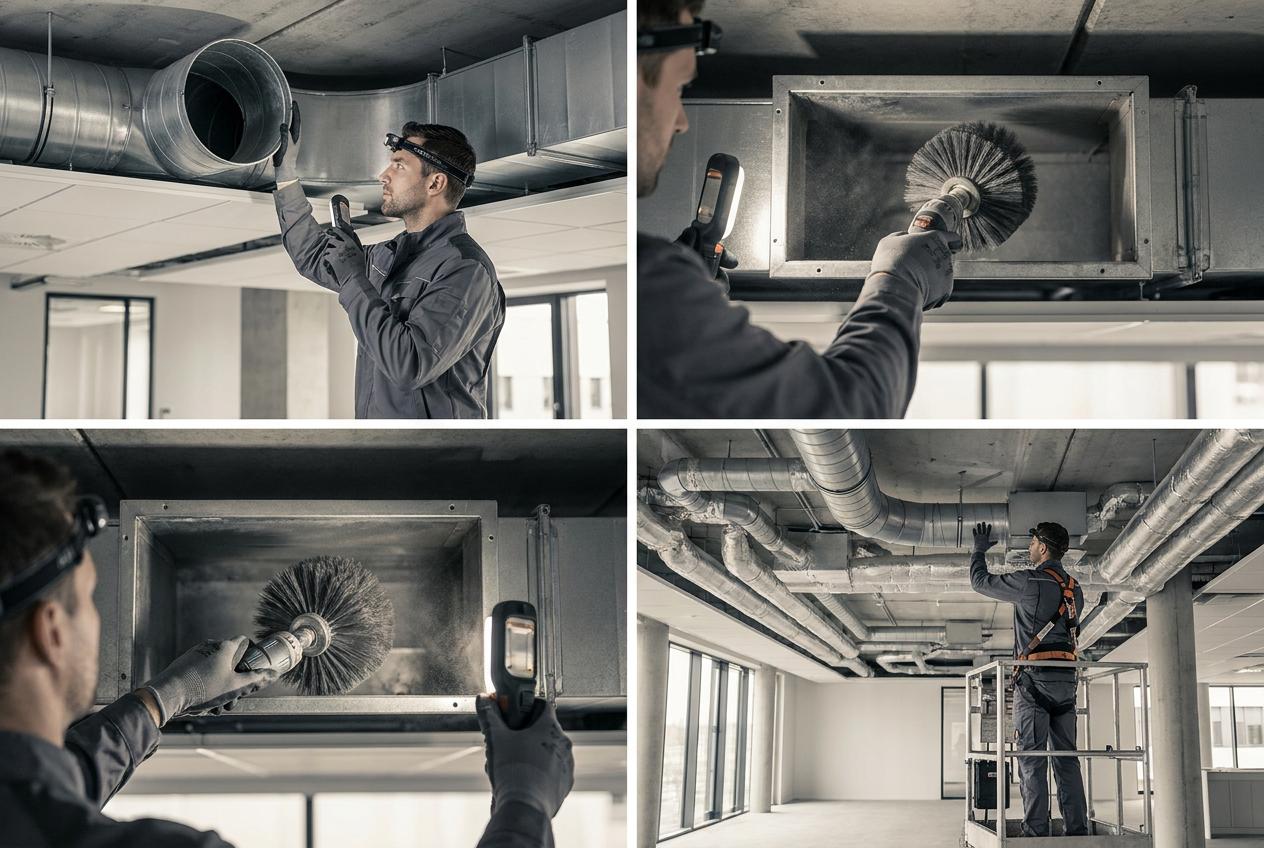
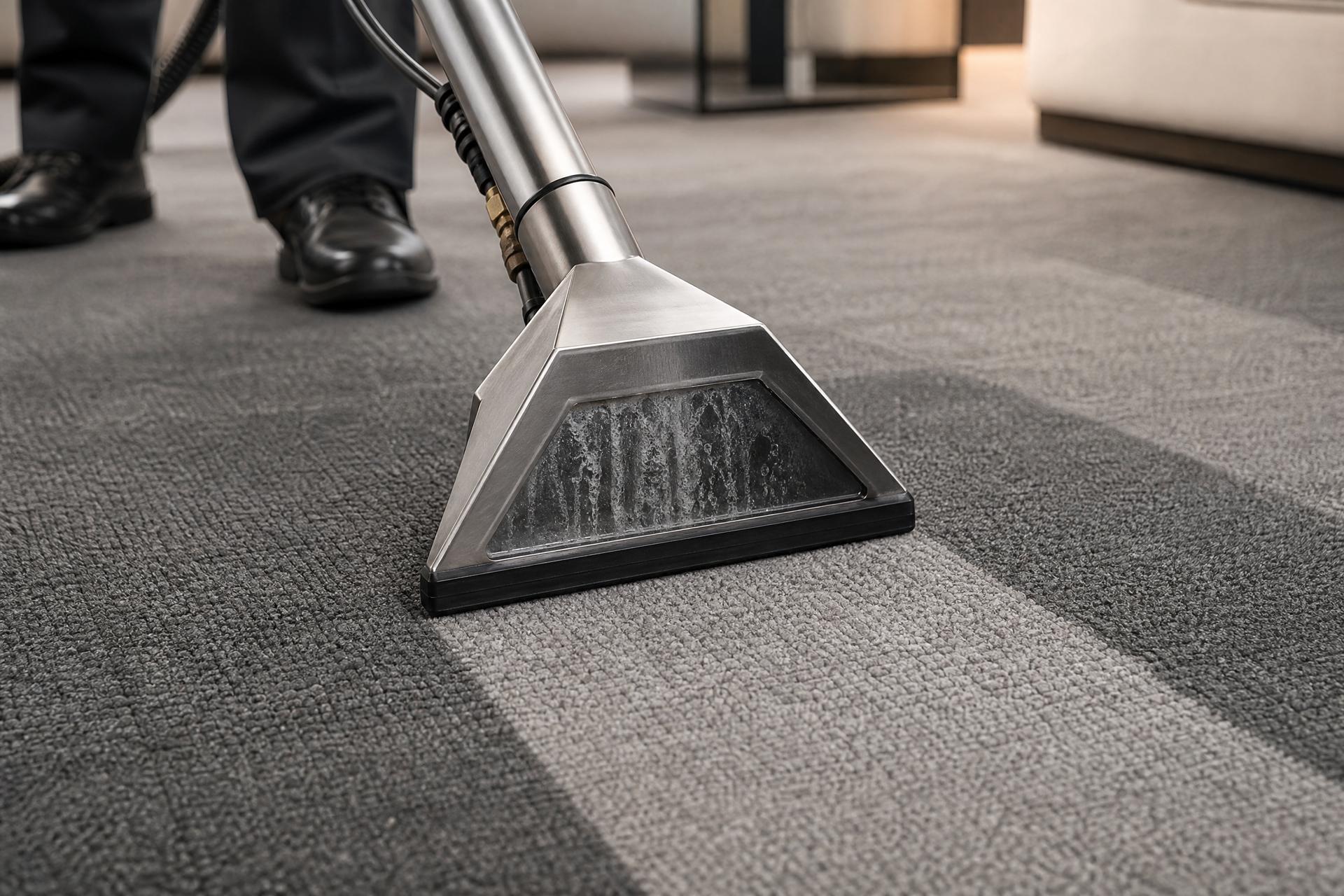






Data centres are among the most demanding environments for cleaning and contamination control. Unlike standard commercial offices, data centres house equipment worth tens of millions of dollars that is sensitive to electrostatic discharge (ESD), particulate contamination, and chemical residues. A cleaning error in a data centre can cause hardware failure, data loss, or unplanned downtime — consequences that standard commercial cleaning contractors are not equipped to prevent.
Why Standard Cleaning Protocols Are Inadequate
Standard commercial cleaning relies on mops, spray-and-wipe chemical application, and vacuum cleaners that generate and distribute airborne particles. In a data centre environment, these practices are unacceptable. Conventional vacuum cleaners exhaust fine particles that can settle on server components and cause overheating or short circuits. Spray-applied cleaning chemicals can produce aerosol droplets that contaminate sensitive electronics. Standard mops can introduce moisture that condenses on cold surfaces and causes corrosion.
Data centre cleaning requires specialist equipment: HEPA-filtered vacuum cleaners that capture particles down to 0.3 microns; microfibre cloths that trap rather than redistribute particles; ESD-safe cleaning tools and personal protective equipment; and cleaning chemicals that are non-corrosive, non-conductive, and free from silicone compounds (which can migrate onto electrical contacts and cause failures).
Electrostatic Discharge (ESD) Safety
ESD is the sudden flow of electricity between two objects with different electrical charges. In a data centre, ESD events can damage or destroy semiconductor components — sometimes without any visible sign of damage, causing latent failures that manifest weeks or months later. The risk of ESD is highest in low-humidity environments (below 40% relative humidity) and when personnel move across carpet or synthetic flooring.
Data centre cleaning operatives must wear ESD-safe footwear and wrist straps, use ESD-safe cleaning tools, and follow a documented ESD control programme compliant with ANSI/ESD S20.20 or equivalent. The cleaning contractor should be able to demonstrate that their operatives have been trained in ESD awareness and that their equipment has been tested and certified as ESD-safe.
Particulate Contamination and ISO 14644
ISO 14644-1 defines cleanliness classifications for controlled environments based on the concentration of airborne particles of specified sizes. While most data centres do not operate to the stringent standards of pharmaceutical cleanrooms, the principles of contamination control apply: cleaning activities should minimise the generation and redistribution of airborne particles, and the cleanliness of the environment should be verified by particle counting after cleaning.
In practice, data centre cleaning should be conducted during low-activity periods (typically overnight or at weekends), with raised floor panels removed and cleaned individually, sub-floor voids vacuumed with HEPA equipment, and all surfaces wiped with damp (not wet) microfibre cloths. Cleaning should proceed from the cleanest areas to the most contaminated, and from high surfaces to low surfaces, to prevent re-contamination of already-cleaned areas.
Sub-Floor Void Cleaning
The sub-floor void beneath raised access floors is a critical contamination source in data centres. Dust, construction debris, and biological material accumulate in the void and are drawn into server equipment by the positive pressure airflow system. Sub-floor cleaning should be conducted at least annually (more frequently in high-dust environments) and should include the removal and cleaning of all floor tiles, HEPA vacuuming of all surfaces in the void, and inspection of cable management for damage or contamination.
Security and Access Control
Data centres operate strict access control protocols to protect the physical security of the equipment and data they house. Cleaning contractors must comply with the data centre operator's security requirements, which typically include background screening of all operatives, escorted access to sensitive areas, prohibition of personal electronic devices in the data hall, and documented check-in and check-out procedures.
Selecting a Data Centre Cleaning Contractor
When evaluating cleaning contractors for data centre environments, require evidence of: ESD training and awareness for all operatives assigned to the data centre; HEPA-filtered vacuum equipment with current calibration certificates; a documented data centre cleaning methodology aligned with ISO 14644 contamination control principles; current security clearances for all operatives; and references from current data centre clients. A contractor who cannot provide these credentials should not be permitted to clean in a data centre environment.